Find the Best Chiropractor: Key Criteria to Consider
How to Choose the Right Chiropractor for Your Health Needs in Toronto: Key Factors to Evaluate
Over 5 to 12 percent of adults endure persistent jaw or orofacial discomfort, making the decision of what criteria should I consider when choosing the best chiropractor for my needs vital for lasting relief. This guide explains why specialized expertise, proven experience, clear credentials, and patient-centered communication underpin an effective chiropractic partnership. You’ll learn how to assess treatment approaches for TMJ and orofacial pain, evaluate clinic accessibility, prepare for your first visit, verify professional standing, review patient success stories, and navigate insurance transparency. By the end, you’ll feel confident selecting a non-invasive care provider—such as those at thejawspinedoctor.com—who aligns clinical precision with empathetic support.
What Are the Most Important Factors When Choosing a Chiropractor?
Important selection criteria for a chiropractor combine clinical specialization, professional credentials, patient feedback, and communication style to deliver safe, effective care. Evaluating these factors reduces risk and maximizes the chance of symptom relief, especially for complex conditions like TMJ disorders. For example, practitioners with focused training in orofacial biomechanics often achieve faster improvements in jaw function and pain reduction. Understanding these core elements lays the groundwork for the detailed subcriteria that follow.
Which Specialized Expertise Should a Chiropractor Have?
A chiropractor specializing in temporomandibular joint disorders (TMD) integrates jaw biomechanics with spinal alignment techniques to relieve orofacial pain and restore function. This specialized expertise involves post-graduate training in craniomandibular dysfunction and advanced manual therapies targeting the TMJ, cervical spine, and associated musculature. Patients benefit from tailored treatment plans that address both jaw mobility and neck posture, promoting holistic neuromusculoskeletal wellness.
How Does Experience Influence Chiropractor Selection?
Experience in treating jaw pain directly correlates with diagnostic accuracy and treatment outcomes because seasoned practitioners recognize subtle dysfunction patterns. Years of patient volume in TMJ cases refine a chiropractor’s ability to customize adjustments and soft-tissue therapies, accelerating symptom relief and reducing flare-ups. Seeking a provider with a minimum of three to five years focused on orofacial pain ensures you benefit from proven clinical judgment and refined technique.
What Credentials and Licenses Should You Verify?
Verifying provincial licensure, board certification, and specialized credentials confirms a chiropractor’s legal standing and clinical competency. You should check for a Doctor of Chiropractic degree, active provincial license in Ontario, membership in the Canadian Chiropractic Association (CCA) or Ontario Chiropractic Association (OCA), and certifications in TMJ or orofacial pain management. Confirming these qualifications safeguards against unverified practitioners and aligns your care with recognized professional standards.
| Certification | Issuing Body | Why It Matters |
|---|---|---|
| Provincial Chiropractic License (Ontario) | College of Chiropractors of Ontario (CCO) | Legal authorization to practice in Ontario and adhere to safety standards |
| CCA or OCA Membership | Canadian Chiropractic Association (CCA) or Ontario Chiropractic Association (OCA) | Commitment to ongoing education and ethical standards |
| TMJ Dysfunction Certification | Post-Graduate Programs | Advanced competence in jaw and facial pain management |
This table highlights essential credentials that validate expertise and ensure your chiropractor follows rigorous professional standards.
Why Is Patient Communication Style Important?
Effective communication fosters shared decision-making and empowers you to participate actively in your treatment plan, improving satisfaction and adherence. Chiropractors who practice active listening, explain techniques clearly, and invite questions build trust and reduce anxiety around manual therapies. A patient-centered communication style improves the therapeutic alliance, resulting in smoother progress and personalized care adjustments.
How Do Patient Reviews and Testimonials Affect Your Choice?
Patient reviews and testimonials provide social proof of treatment efficacy, practice culture, and office professionalism, guiding expectations and confidence. Reading detailed accounts of jaw pain relief journeys reveals real-world outcomes, average number of visits to improvement, and patient satisfaction levels. Looking for patterns—such as consistent praise for gentle adjustments or clear treatment timelines—helps you choose a chiropractor with a track record of positive, measurable results.
Feedback trends often surface recurring strengths—like punctual appointments and empathetic bedside manner—that directly influence your comfort and outcomes. Assessing reviews completes the factor analysis and leads naturally into understanding specific treatment approaches.
What Chiropractic Treatment Approaches Are Effective for Jaw and Orofacial Pain?
Chiropractic interventions for orofacial pain encompass manual adjustments, soft-tissue therapy, trigger-point release, and targeted cervical spine alignment to address neuromusculoskeletal imbalances. By combining joint mobilization with muscular facilitation, these approaches reduce joint loading, release hypertonic muscles, and restore functional range of motion. Patients experience drug-free, non-invasive relief that supports long-term jaw health and overall spinal wellness.
Which Chiropractic Techniques Are Commonly Used for TMJ Disorders?
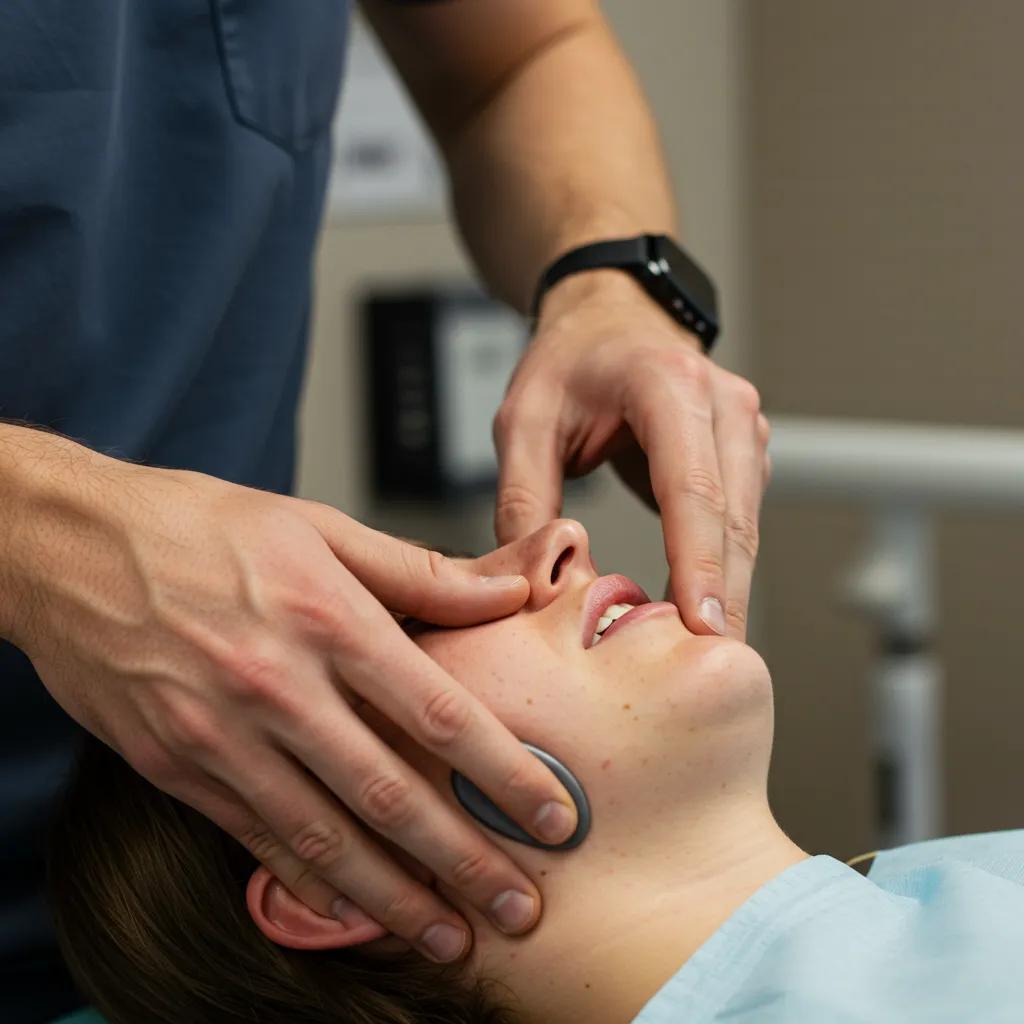
Chiropractors employ several manual methods, including high-velocity low-amplitude adjustments, soft-tissue massage, and myofascial trigger-point therapy, to alleviate TMJ pain.
- High-velocity low-amplitude (HVLA) adjustments correct joint misalignments and improve synovial lubrication.
- Soft-tissue mobilization reduces muscular tension in masticatory muscles, restoring functional range.
- Trigger-point release targets hyperactive nodules that refer pain to the jaw and temples.
Chiropractic Therapy for Temporomandibular Disorder (TMD) Management
Temporomandibular disorder (TMD) is a common condition that affects the temporomandibular joint (TMJ) and the muscles of mastication. TMD can cause a variety of symptoms, including jaw pain, headaches, and difficulty chewing. Chiropractic therapy has been shown to be an effective treatment for TMD. This article discusses the potential of chiropractic therapy as a valuable treatment option for managing TMD.
Temporomandibular disorder treated with chiropractic therapy, ECP Chu, 2023
How Does Cervical Spine Alignment Impact Jaw Pain Relief?
Cervical spine alignment influences trigeminal nerve pathways and muscular chains connecting the neck to the jaw, creating a direct neuromuscular link. Misalignment in the upper cervical vertebrae can exacerbate TMJ loading and refer pain into the face, ears, and head. Restoring proper neck curvature alleviates undue stress on jaw structures and promotes smoother mandibular movement, yielding comprehensive orofacial symptom relief.
What Are the Benefits of Non-Invasive Chiropractic Solutions?
Non-invasive chiropractic care offers drug-free pain management, eliminating the side-effect risks associated with medication and reducing the need for surgical interventions. It promotes natural healing through mechanical correction, improved circulation, and neuromuscular balance. Patients value the rapid symptom improvement, enhanced function, and long-term stability that these conservative treatments provide, particularly when integrated with home exercises and lifestyle guidance.
Holistic manual therapies set the stage for a positive clinic experience, which includes environmental and accessibility considerations highlighted next.
How to Evaluate the Clinic Environment and Accessibility?
Clinic atmosphere and logistical convenience play a key role in patient comfort, adherence to appointments, and overall satisfaction. A welcoming office, convenient location, and flexible scheduling options reduce barriers to consistent care. Evaluating these practical factors ensures seamless integration of treatment into your daily life and strengthens ongoing therapeutic engagement.
What Should You Look for in Clinic Location and Office Atmosphere?
Choosing a clinic in a central or easily reachable area reduces travel stress and supports regular visits critical for sustained progress. A calm, well-lit reception area and clean, modern treatment rooms convey professionalism and attention to patient comfort. Prioritizing an environment that feels safe and nurturing fosters relaxation during adjustments and soft-tissue work.
Are Telehealth and Flexible Appointment Options Available?
Many practices now offer telehealth consultations for initial evaluations, follow-up care, and home exercise coaching, ensuring uninterrupted support even when travel is difficult. Flexible appointment windows—early morning, evening, or weekend slots—accommodate busy schedules and reduce delays in treatment. These accessibility features demonstrate a clinic’s commitment to patient-centered care.
How Does Staff Friendliness Influence Your Care Experience?
Friendly, attentive front-desk and support staff establish a positive first impression and help you navigate insurance, scheduling, and questions efficiently. Warm interactions reduce anxiety and set a collaborative tone for your clinical visits. This supportive atmosphere extends the healing process beyond manual therapies, strengthening trust in your care team.
Selecting a clinic that balances clinical excellence with a patient-focused environment leads directly into preparing for your initial consultation.
What Questions Should You Ask During Your Initial Chiropractic Consultation?
Asking informed questions empowers you to compare providers and select a plan that aligns with your jaw health goals and budget. Targeted inquiries about treatment timelines, techniques, and expected outcomes reveal each chiropractor’s approach and transparency. Preparing questions in advance optimizes the initial visit and clarifies whether a practice is the right fit.
How to Prepare for Your First Visit to a Chiropractor?
Gathering your medical history, a list of current medications, imaging reports, and a description of symptom patterns ensures a comprehensive evaluation. Arriving with clear goals—such as reducing jaw clicking or improving bite comfort—guides the chiropractor’s assessment. This preparation accelerates diagnosis and paves the way for a personalized treatment plan.
What Are Essential Questions to Ask About TMJ Treatment Plans?
Inquire about the specific techniques to be used, the typical number of visits needed for measurable improvement, and how progress will be assessed. Ask for a breakdown of intervention phases—initial relief, functional restoration, and maintenance—to understand the full scope of care. Clarifying these details reveals the provider’s systematic approach and sets realistic expectations.
Chiropractic Treatment for Temporomandibular Dysfunction: A Case Series
The purpose of this case series is to describe chiropractic treatment of 14 patients who presented with temporomandibular dysfunction (TMD). The approach in this case report targets the musculature of the head, neck, and jaw, as well as the TMJ itself. The results of this case series suggest that chiropractic treatment may be beneficial for patients with TMD.
Chiropractic treatment of temporomandibular dysfunction: a retrospective case series, 2015
How to Discuss Insurance Coverage and Treatment Costs?
Request an estimate of fees for evaluation, individual sessions, and any adjunctive therapies such as soft-tissue work or therapeutic exercises. Confirm which services your plan covers, expected copays, and out-of-pocket maximums before committing. Discussing cost transparency upfront prevents billing surprises and ensures financial alignment with your wellness goals.
Solidifying your choice also depends on verifying professional standing, which is the focus of the next section.
How to Verify a Chiropractor’s Credentials and Professional Standing?
Ensuring a chiropractor’s legitimacy and ongoing competence protects your investment in care and amplifies trust in treatment safety. Confirming licensure, specialized training, and professional memberships demonstrates a commitment to high standards. These verifications reduce uncertainty and position you to receive evidence-based interventions for your jaw and orofacial pain.
Where to Check Provincial Licensing and Board Certifications?
You can verify active chiropractic licenses and disciplinary records through the College of Chiropractors of Ontario (CCO) online portal or phone hotline. These resources list license status, renewal dates, and any public infractions. This step confirms legal authorization to practice and adherence to mandated professional standards.
What Specialized Training Should a TMJ Chiropractor Have?
Seek evidence of post-doctoral courses in orofacial myofunctional therapy, craniofacial biomechanics, or TMJ dysfunction through accredited institutions. Certificate programs in temporomandibular joint care indicate focused investment in treating complex jaw disorders. Specialized training ensures your chiropractor applies the latest protocols for joint mobilization and muscle rebalancing.
How to Confirm Membership in Professional Chiropractic Associations?
Membership in bodies such as the Canadian Chiropractic Association (CCA) or Ontario Chiropractic Association (OCA) signals commitment to continuing education, ethical guidelines, and peer-reviewed best practices. Association websites often list active members and their special interests. Confirming these affiliations reveals a chiropractor’s dedication to professional growth and high-quality patient care.
After validating credentials, patient success stories and case studies provide social proof of clinical efficacy.
How Do Patient Success Stories and Case Studies Support Your Choice?

Real-world examples illustrate how targeted chiropractic interventions resolve specific jaw and orofacial symptoms over time, reinforcing confidence in the chosen provider. Case studies detail baseline conditions, treatment protocols, and measurable outcomes, offering transparent evidence of effectiveness. Testimonials highlight both clinical results and patient experiences, rounding out the decision-making process.
What Are Common Outcomes Reported by TMJ and Orofacial Pain Patients?
Patients typically report reductions in jaw clicking, decreased facial muscle tension, improved bite alignment, and less frequent headaches after a structured chiropractic regimen. Functional gains—such as wider pain-free mouth opening and enhanced chewing efficiency—are frequently documented within four to eight sessions. These consistent outcomes establish realistic expectations for prospective patients.
Collaborative Chiropractic and Dental Approach for TMD Relief
A 38-year-old black female patient presented for chiropractic care with a chief concern of jaw pain, tinnitus, headaches, and neck and shoulder soreness of 8 months’ duration. The patient’s symptoms were diagnosed as temporomandibular dysfunction (TMD). The patient was treated with a combination of chiropractic manipulation, soft tissue therapy, and exercises. After 12 weeks of treatment, the patient reported a significant reduction in her symptoms.
A collaborative approach between chiropractic and dentistry to address temporomandibular dysfunction: a case report, 2014
How Can Case Studies Demonstrate Chiropractic Effectiveness?
Case reports outline the initial assessment, specific manual techniques applied, adjunctive therapies, and progression metrics such as range-of-motion measurements. They reveal how adjustments of the upper cervical spine combined with targeted soft-tissue work lead to quantifiable improvements in joint function. This granular view of treatment journeys affirms the scientific rationale behind non-invasive care.
Why Are Testimonials Important for Building Trust?
Testimonials convey patient perspectives on bedside manner, comfort during sessions, and the overall practice environment, offering insights beyond clinical metrics. Authentic accounts of empathetic care and transparent communication reinforce the relational aspect of healing. These narratives deepen trust and guide informed choices when selecting your chiropractor.
Clarity about costs and coverage solidifies your selection, which is addressed next.
How to Assess Insurance Coverage and Cost Transparency for Chiropractic Care?
Understanding which plans cover TMJ chiropractic treatment and the associated out-of-pocket expenses prevents unexpected bills and aligns financial planning with health goals. Transparent cost discussions foster trust and ensure uninterrupted care. Comparing coverage options and payment structures helps you budget for the full course of treatment without surprises.
What Insurance Plans Typically Cover TMJ Chiropractic Treatment?
Many major Canadian providers—such as Sun Life, Manulife, Canada Life (formerly Great-West Life), Green Shield Canada, and Desjardins—offer benefits for chiropractic services when medically necessary for TMJ disorders. Coverage often includes initial evaluation, a set number of adjustment visits, and adjunctive therapies, subject to plan limits and copay requirements.
| Provider | Covered Services | Typical Coverage |
|---|---|---|
| Sun Life | Evaluation, manual adjustments, soft-tissue therapy | Often 80-100% up to an annual maximum |
| Manulife | TMJ-focused adjustments, therapeutic exercises | Varies by plan, often 80% with annual limit |
| Canada Life | Spinal and jaw adjustments, adjunctive therapies | Typically 70-90% up to a yearly maximum |
| Green Shield Canada | Chiropractic care for TMJ, including adjustments | Often 80-100% with a per-visit or annual cap |
This comparison table clarifies common coverage structures, equipping you to discuss benefits with your insurer and chiropractor.
How to Discuss Fees and Payment Options with Your Chiropractor?
Ask for a detailed fee schedule covering the initial exam, individual sessions, and any specialized therapies like trigger-point release. Inquire about payment plans, package discounts, or membership programs that reduce per-visit costs. Transparent fee discussions ensure you can commit to the recommended treatment course without financial strain.
What Are the Benefits of Cost Transparency in Choosing a Chiropractor?
Open cost conversations build trust, prevent billing surprises, and support long-term treatment adherence, which is essential for chronic jaw issues. Knowing your financial commitment upfront encourages timely visits and consistent progress. Clear pricing also allows comparison among providers, ensuring you invest in high-quality care aligned with your budget.
By evaluating these financial and clinical dimensions, you will have all the tools needed to select a chiropractor who meets both your health needs and practical considerations.
26 Wellington St E, Unit 110, Toronto, ON M5E 1S2, Canada
Hours
Monday: 9:00 am – 6:00 pm
Tuesday: 8:00 am – 1:00 pm
Wednesday: 2:00 pm – 7:00 pm
Thursday: 2:00 pm – 7:00 pm
Friday: 9:00 am – 6:00 pm
Saturday: 10:00 am – 4:00 pm
Sunday: Closed
Direct Billing Available in Toronto.
Belleville
Belleville Quinte Chiropractic & Sports Injury Clinic
65 Dundas St E. Belleville ON K8N 1B9
Hours
Mondays: 8:00 pm – 6:00 pm
Tuesday: 8:00 am – 6:00 pm
Wednesday: 8:00 – 6:00 pm
Thursday: 9:00 am – 6:00 pm
Friday: 8:00 am – 2:00 pm
Saturday & Sunday: Closed
Direct Billing Available in Bellevile
Working Hours
- Monday: 8:00 am - 6:00 pm (Toronto & Belleville
-
Tuesday: 8:00 am – 6:00 pm (Belleville) |
8:00 am – 1:00 pm (Toronto) - Wednesday: 8:00 am – 6:00 pm (Belleville) | 2:00 pm – 7:00 pm (Toronto)
- Thursday: 9:00 am – 6:00 pm (Belleville) | 1:00 pm - 7:00 pm (Toronto)
- Friday: 8:00 am – 2:00 pm (Belleville) | 9:00 am - 6:00 pm (Toronto)
- Saturday: 10 am – 4 pm (Toronto)
Our Popular Services
The JawSpine Centre, in partnership with Y&F Dental, is Toronto’s first all-in-one jaw centre combining dental care and chiropractic treatment for TMJ disorders, jaw pain, headaches, and related neck and spine conditions.

- Copyright 2025 The Jaw & Spine Doctor