Acupuncture & Electro-Acupuncture
Conservative care for muscle tension, pain and restricted movement
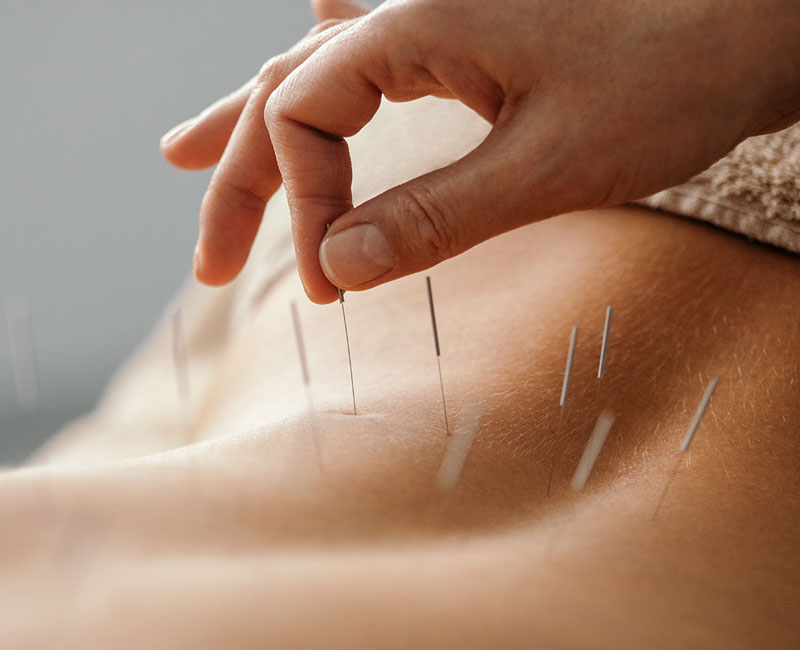
Acupuncture is a conservative treatment that uses very thin, sterile needles placed at carefully selected points on the body. It is commonly incorporated into care plans for musculoskeletal pain, muscle tension, headaches and movement-related concerns.
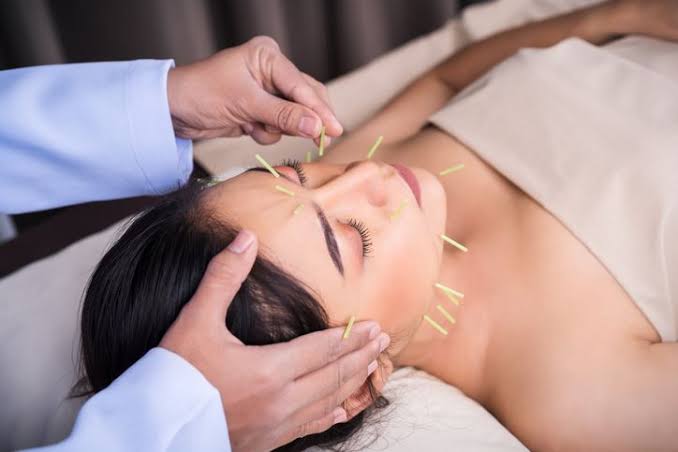
At The JawSpine Centre, acupuncture may be used as part of a broader treatment plan for patients experiencing jaw pain, facial tension, headaches, neck discomfort or symptoms associated with temporomandibular disorders.
Treatment is based on an individualized assessment. Acupuncture is not presented as a cure for every jaw condition, and it does not replace appropriate dental, chiropractic or medical evaluation.
What Is Acupuncture?
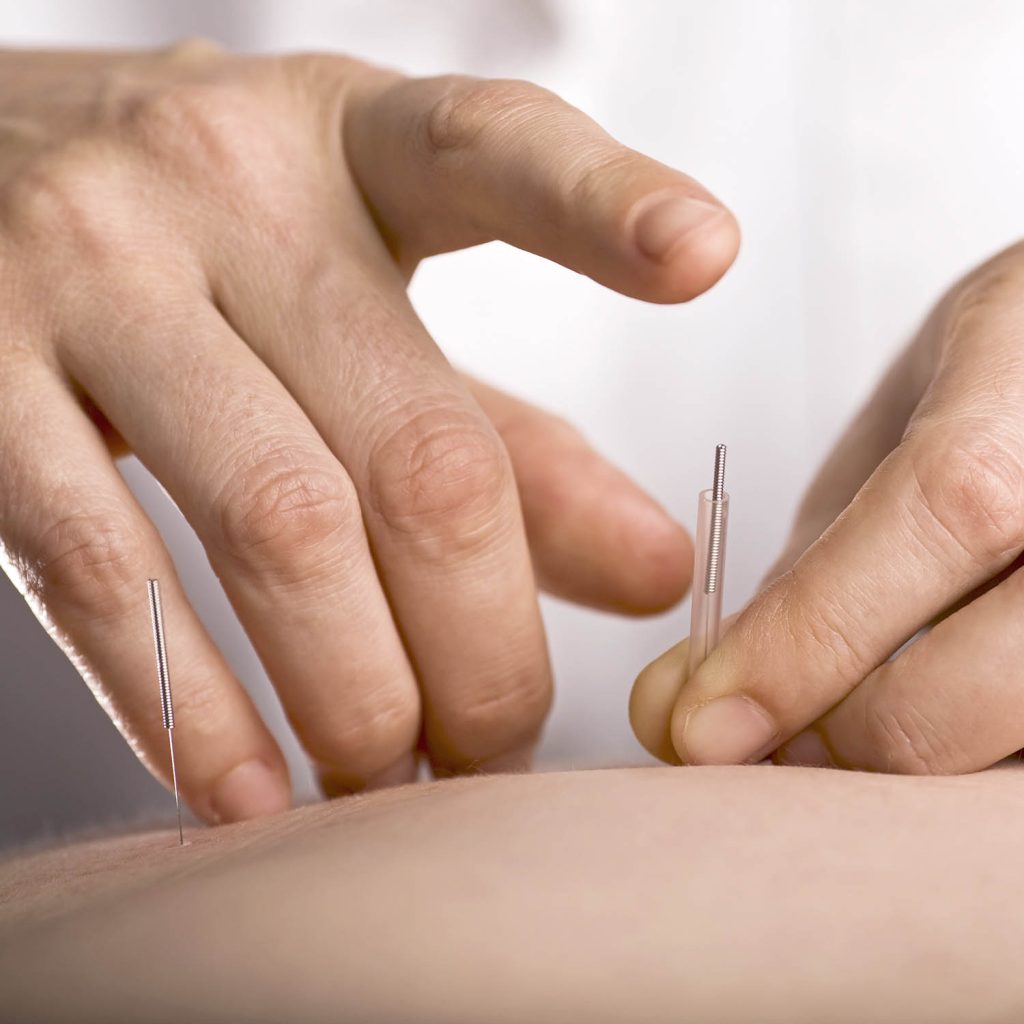
Acupuncture involves inserting fine, single-use needles through the skin at specific treatment points. Depending on the patient’s condition, needles may be placed near the symptomatic area or at points elsewhere on the body.
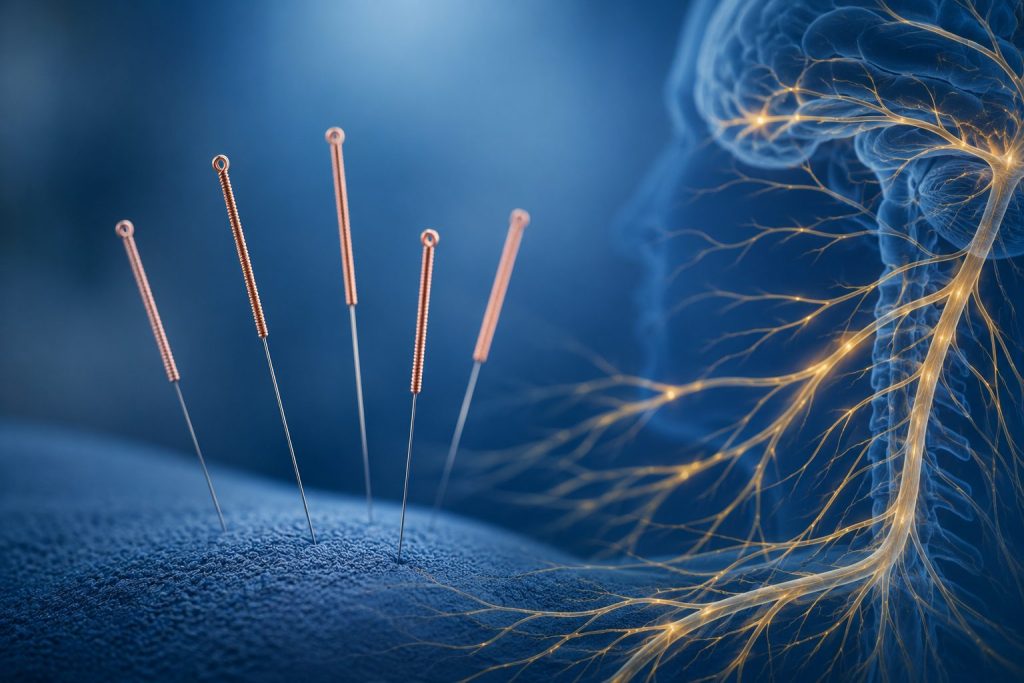
From a modern clinical perspective, acupuncture is believed to influence pain-processing pathways, local tissue responses, muscle tone and nervous-system activity. The exact mechanisms are still being investigated, and individual responses can vary.
Acupuncture may be used independently or alongside other conservative treatments, including:
- Chiropractic care
- Manual therapy
- Therapeutic exercise
- Rehabilitation
- Laser therapy
- Dental management
- Stress and habit-modification strategies
The most appropriate combination depends on the diagnosis and the structures contributing to the patient’s symptoms.


What Conditions Is Acupuncture Commonly Used For?
Patients frequently seek acupuncture for concerns such as:
- Neck and back pain
- Headaches and migraines
- Muscle tightness and trigger points
- Shoulder pain
- Joint and soft-tissue discomfort
- Stress-related muscle tension
- Jaw and facial pain
- Temporomandibular disorders
Acupuncture should be used as part of an appropriate care plan rather than as a substitute for diagnosing the underlying cause of pain.
What Happens During an Acupuncture Appointment?
Your appointment begins with a review of your symptoms, health history and treatment goals. The provider will assess whether acupuncture is clinically appropriate and explain the recommended treatment areas.
Very thin needles are then inserted at selected points and typically remain in place for a defined period. Some patients feel little or no discomfort, while others may experience a brief pinching sensation, heaviness, warmth or a mild ache around the treatment point.
The number and frequency of appointments depend on the diagnosis, symptom severity, duration of the condition and individual response to treatment.
Is Acupuncture Safe?
Acupuncture is generally considered low risk when it is performed by a properly trained healthcare professional using sterile, single-use needles.
Temporary effects may include:
- Mild soreness
- Minor bruising or bleeding
- Fatigue
- Light-headedness
- Temporary changes in symptoms
Serious complications are uncommon but may occur if acupuncture is performed improperly. Patients should advise their provider about pregnancy, bleeding disorders, blood-thinning medication, implanted electrical devices or significant medical conditions before treatment.
How May Acupuncture Help TMJ Disorders?
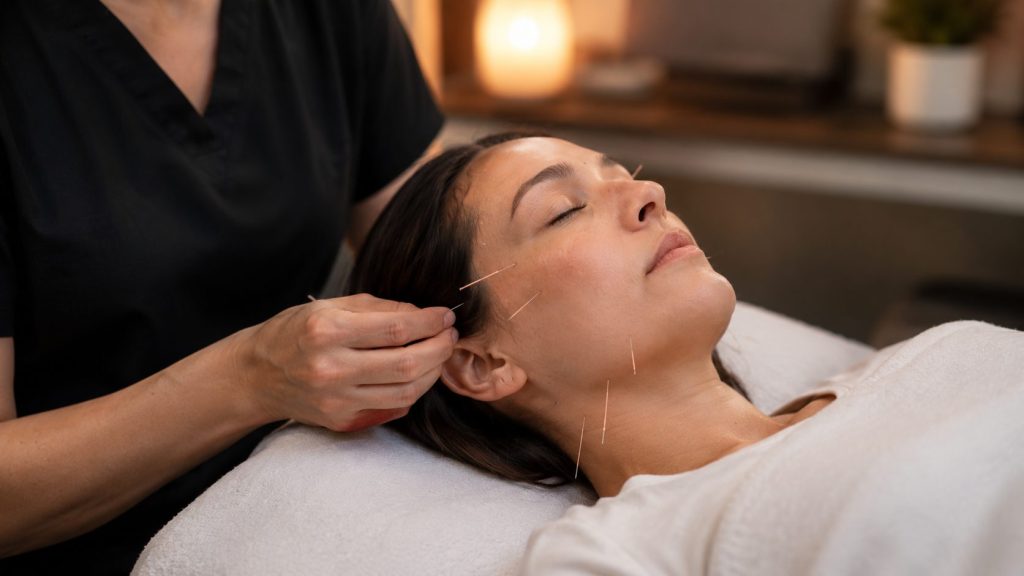
Acupuncture may be most relevant when jaw symptoms have a muscular or myofascial component. Treatment may target the masseter, temporalis, upper cervical muscles and other areas associated with jaw movement and facial pain.
Research suggests that acupuncture may help some patients experience:
- Reduced jaw and facial pain
- Decreased tenderness in the chewing muscles
- Reduced muscle tension and guarding
- Improved comfortable mouth opening
- Improved chewing function
- Reduced headache-related symptoms
- Short-term improvement in muscular TMD symptoms
The response depends on the specific diagnosis. Acupuncture may be less appropriate when symptoms are primarily caused by fracture, infection, advanced joint destruction, dental disease or a mechanical condition requiring specialist evaluation.
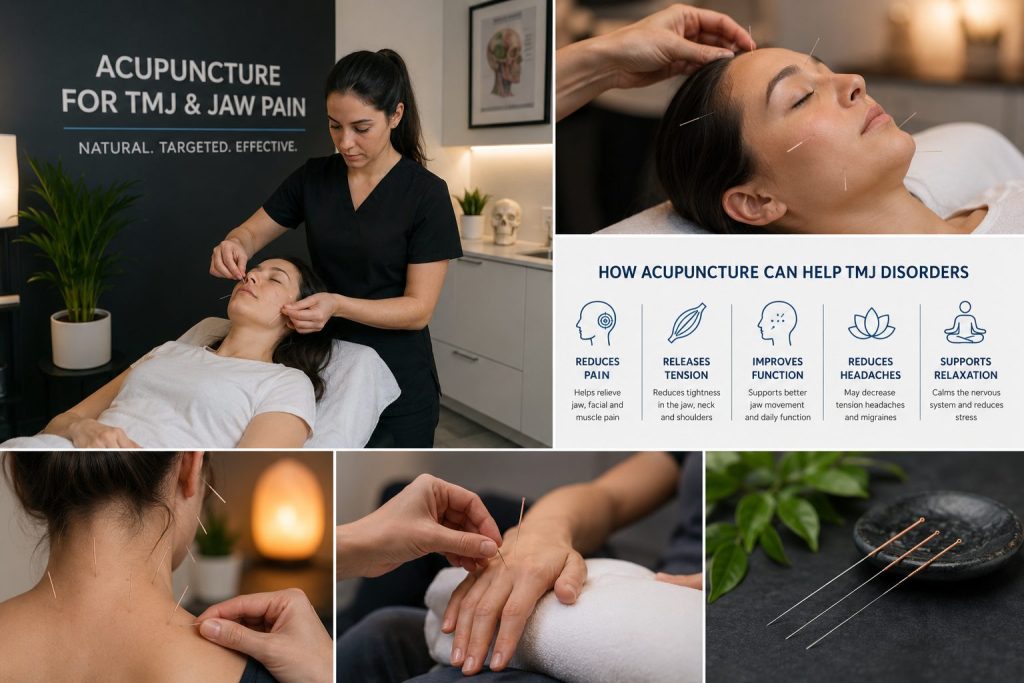

Acupuncture for Jaw-Muscle Pain
Jaw-muscle pain may develop in association with clenching, grinding, prolonged dental treatment, stress, altered movement patterns or overuse of the chewing muscles.
Sensitive areas may develop within the masseter, temporalis and upper neck muscles. Pain from these tissues can spread into the jaw, teeth, temples, ears or head.
Acupuncture may be incorporated into treatment to help reduce muscular sensitivity and support more comfortable jaw movement. It is often combined with education, manual therapy, therapeutic exercise and strategies to reduce repetitive jaw tension.
Acupuncture for Headaches Associated With Jaw Tension
Headaches may occur alongside jaw clenching, facial muscle tension and neck dysfunction. Some patients experience pain around the temples, forehead, back of the head or behind the eyes.
When the clinical assessment identifies a relevant muscular component, acupuncture may be used to address tension in the jaw, temple and cervical regions.
Headaches can have many causes. New, severe, rapidly worsening or unusual headaches require appropriate medical assessment and should not automatically be attributed to the jaw or neck.

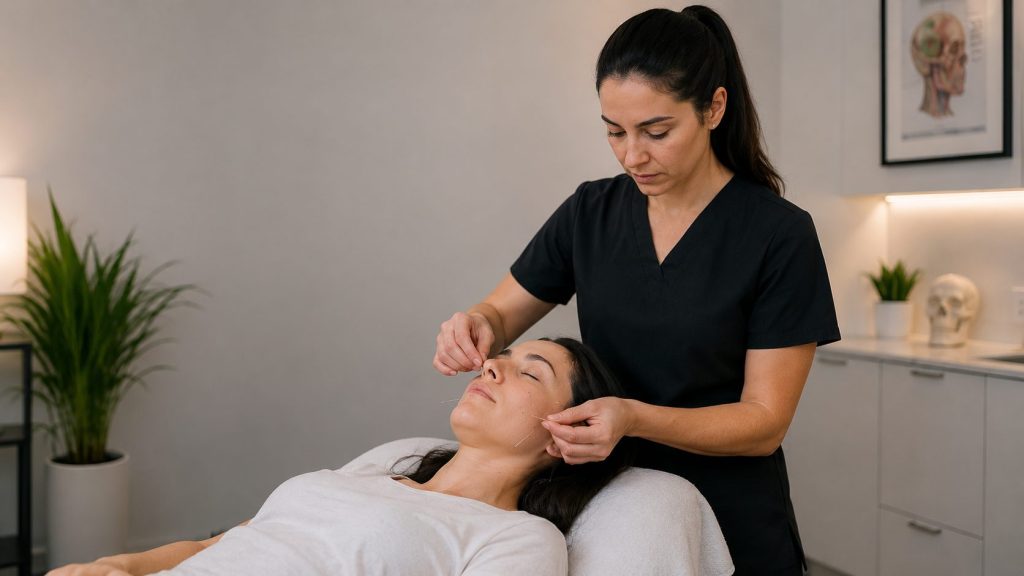
Acupuncture for Restricted Jaw Opening
Restricted mouth opening may be associated with muscular guarding, pain, joint inflammation, disc displacement, trauma or another mechanical problem.
Acupuncture may help reduce muscle-related restriction in selected patients. However, it cannot reposition every displaced disc, reverse arthritic changes or resolve a structural obstruction within the joint.
Patients with persistent locking, sudden bite changes or significant limitation should receive a comprehensive TMJ assessment before beginning treatment.
Acupuncture as Part of Coordinated TMJ Care
At The JawSpine Centre, acupuncture may be combined with other treatments when clinically appropriate.
A personalized care plan may include:
- Chiropractic and manual therapy
- Jaw-mobility exercises
- Cervical and postural rehabilitation
- Soft-tissue treatment
- Laser therapy
- Education regarding clenching and grinding
- Dental assessment
- Oral-appliance consultation
- Medical or specialist referral
This coordinated approach allows care to address the jaw muscles, TMJs, neck and relevant dental factors rather than treating every patient with the same protocol.
What Does the Research Say About Acupuncture for TMJ Disorders?
Research suggests that acupuncture may provide short-term pain relief for some patients with temporomandibular disorders, particularly those with muscular or myofascial pain. However, the quality of the evidence varies, and additional high-quality studies are still needed to determine which patients are most likely to benefit and how long the effects may last.
Relevant peer-reviewed research includes:
2024 Randomized Clinical Trial
A 2024 randomized clinical trial on acupuncture for temporomandibular disorders reported greater reductions in pain intensity with acupuncture than with sham treatment at four weeks, with improvement maintained at the eight-week assessment.
2024 Systematic Review and Meta-Analysis
A 2024 systematic review and meta-analysis of randomized trials found that acupuncture may be helpful for short-term pain associated with muscular TMD. The authors also concluded that the overall evidence remains limited and that more rigorous research is required.
2023 Systematic Review and Meta-Analysis
A 2023 systematic review examining acupuncture for TMD reported improvement compared with active controls and when acupuncture was added to other treatments. However, the authors rated the overall quality of evidence as low.
Placebo-Controlled Clinical Trial
A placebo-controlled study of acupuncture for TMJ myofascial pain found that real acupuncture produced greater improvement in several clinical outcomes than sham acupuncture.
Earlier Systematic Review
A systematic review published in 2010 found moderate evidence that acupuncture may reduce symptoms associated with TMD, while emphasizing the need for larger trials and better information about long-term effectiveness.
Overall, the evidence is promising but not definitive. Acupuncture should be viewed as a possible supportive treatment within a broader conservative care plan rather than a guaranteed cure for TMJ dysfunction.
Who May Be a Candidate for Acupuncture?
Acupuncture may be considered for patients experiencing:
- Muscular jaw pain
- Facial tension
- Tender chewing muscles
- Headaches associated with jaw or neck tension
- Pain-related restriction in jaw movement
- Persistent symptoms despite basic self-care
- Stress-related clenching or muscle guarding
- A preference for conservative, drug-free care
Suitability is determined after reviewing the patient’s symptoms, diagnosis, health history and treatment goals.
This page is intended for general educational purposes and does not replace individualized chiropractic, dental or medical advice. Results vary, and no specific treatment outcome can be guaranteed.
26 Wellington St E, Unit 110, Toronto, ON M5E 1S2, Canada
Hours
Monday: 9:00 am – 6:00 pm
Tuesday: 8:00 am – 1:00 pm
Wednesday: 2:00 pm – 7:00 pm
Thursday: 2:00 pm – 7:00 pm
Friday: 9:00 am – 6:00 pm
Saturday: 10:00 am – 4:00 pm
Sunday: Closed
Direct Billing Available in Toronto.
Belleville
Belleville Quinte Chiropractic & Sports Injury Clinic
65 Dundas St E. Belleville ON K8N 1B9
Hours
Mondays: 8:00 pm – 6:00 pm
Tuesday: 8:00 am – 6:00 pm
Wednesday: 8:00 – 6:00 pm
Thursday: 9:00 am – 6:00 pm
Friday: 8:00 am – 2:00 pm
Saturday & Sunday: Closed
Direct Billing Available in Bellevile
Working Hours
- Monday: 8:00 am - 6:00 pm (Toronto & Belleville
-
Tuesday: 8:00 am – 6:00 pm (Belleville) |
8:00 am – 1:00 pm (Toronto) - Wednesday: 8:00 am – 6:00 pm (Belleville) | 2:00 pm – 7:00 pm (Toronto)
- Thursday: 9:00 am – 6:00 pm (Belleville) | 1:00 pm - 7:00 pm (Toronto)
- Friday: 8:00 am – 2:00 pm (Belleville) | 9:00 am - 6:00 pm (Toronto)
- Saturday: 10 am – 4 pm (Toronto)
Our Popular Services
The JawSpine Centre, in partnership with Y&F Dental, is Toronto’s first all-in-one jaw centre combining dental care and chiropractic treatment for TMJ disorders, jaw pain, headaches, and related neck and spine conditions.

- Copyright 2025 The Jaw & Spine Doctor