

Kyle Dooley
4 months ago
Great clean environment, professional and friendly staff. Dr. Jafari is very good at what he does and helped improve my TMJ significantly. Would recommend to any jaw pain sufferers.

Berkin
4 months ago
The best clinic around.

Joel Hunley
5 months ago
I visited The JawSpine Centre because I experienced chronic neck stiffness that did not improve with routine stretching. They took a different strategy from the start, looking at how everything was connected. The sessions were thorough and not rushed. I enjoyed how well they described each process. After a few visits, my movement felt better, and the stiffness decreased significantly.

brittney brown
5 months ago
Helped a lot with my TMJ

Ambar Martinez
5 months ago
Dr. Jafari has been incredibly helpful with my jaw and back issues. I’ve seen noticeable improvement since starting treatment, and I really appreciate how attentive and knowledgeable he is. Very grateful for his care.

Royston Tellis
7 months ago
I have been dealing with TMJ and neck issues for almost two years, and honestly it takes a huge toll on you physically and mentally. I did not even realize how connected everything was until I started treatment at JawSpine Centre, Toronto. My jaw feels so much better, my neck tension has eased, and what surprised me the most was how much my dizziness dropped as I continued treatment. I had thought it was something else entirely, but once the real issues were identified and corrected, everything finally started to make sense.
The laser treatments and upper back scraping helped release so much built up tension that I had been carrying for years. For the first time in a long while, my body actually felt like it could relax instead of constantly feeling tight and uncomfortable.
Dr Ardavan is incredibly knowledgeable, kind, and genuinely cares about your progress. He takes the time to explain what is going on and makes you feel heard, which means a lot when you have been dealing with something for this long.
A huge thank you to Nikita as well. She is an extremely sweet and welcoming receptionist who always makes you feel comfortable from the moment you walk in.
If you have been struggling with TMJ, jaw pain, neck issues, dizziness, or posture related problems, I truly recommend this place. After two years of dealing with these issues, this has been a game changer for me.
The laser treatments and upper back scraping helped release so much built up tension that I had been carrying for years. For the first time in a long while, my body actually felt like it could relax instead of constantly feeling tight and uncomfortable.
Dr Ardavan is incredibly knowledgeable, kind, and genuinely cares about your progress. He takes the time to explain what is going on and makes you feel heard, which means a lot when you have been dealing with something for this long.
A huge thank you to Nikita as well. She is an extremely sweet and welcoming receptionist who always makes you feel comfortable from the moment you walk in.
If you have been struggling with TMJ, jaw pain, neck issues, dizziness, or posture related problems, I truly recommend this place. After two years of dealing with these issues, this has been a game changer for me.

Fatemeh Kalantari
8 months ago
Highly recommended.
I first visited the Y & F dental office because I was experiencing constant, severe, spreading gum pain that wouldn’t go away—even after taking 10 Advil a day. I was convinced I had a serious cavity or an infection in my teeth or gums.
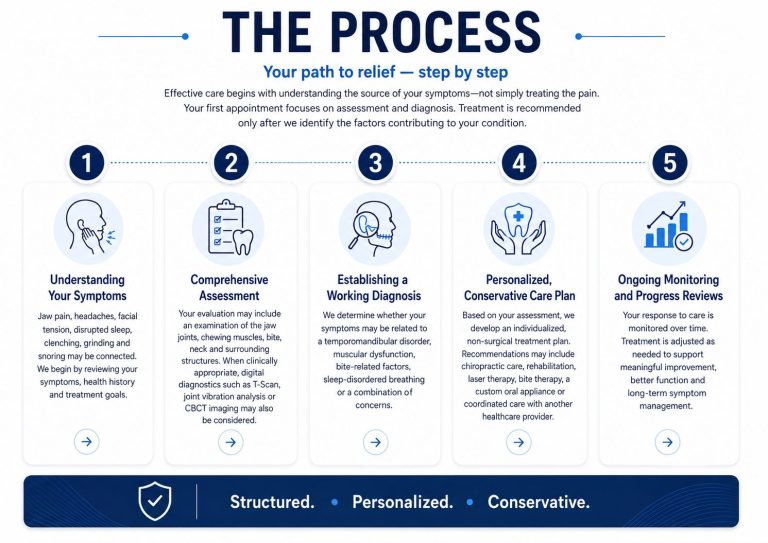
Dr. Amir examined me and diagnosed me with TMJ. For pain management, he recommended that I see a chiropractor and referred me to Jaw Spine. My pain was so intense that I honestly couldn’t believe these treatments would help, but they truly did. I noticed a difference in my pain level even after my very first session with Dr. Ardavan.
Each session continues to make a noticeable improvement, and the home exercises he gives me have been incredibly helpful in breaking the habits that were contributing to my discomfort. I’m currently doing cold laser therapy and pressure therapy, and I highly recommend these treatments to anyone dealing with similar issues.
Besides the successful results I’ve experienced, I also want to highlight how wonderful the entire team is. From the receptionist to the doctors, every staff member is kind, helpful, and professional. I’m genuinely so happy that I walked into their clinic on that first day 🙂
---
If you want, I can also make it shorter, more formal, or more emotional.
I first visited the Y & F dental office because I was experiencing constant, severe, spreading gum pain that wouldn’t go away—even after taking 10 Advil a day. I was convinced I had a serious cavity or an infection in my teeth or gums.
Dr. Amir examined me and diagnosed me with TMJ. For pain management, he recommended that I see a chiropractor and referred me to Jaw Spine. My pain was so intense that I honestly couldn’t believe these treatments would help, but they truly did. I noticed a difference in my pain level even after my very first session with Dr. Ardavan.
Each session continues to make a noticeable improvement, and the home exercises he gives me have been incredibly helpful in breaking the habits that were contributing to my discomfort. I’m currently doing cold laser therapy and pressure therapy, and I highly recommend these treatments to anyone dealing with similar issues.
Besides the successful results I’ve experienced, I also want to highlight how wonderful the entire team is. From the receptionist to the doctors, every staff member is kind, helpful, and professional. I’m genuinely so happy that I walked into their clinic on that first day 🙂
---
If you want, I can also make it shorter, more formal, or more emotional.

nikta osareh75
8 months ago
I had an excellent experience with Dr. Ardi. He is a highly skilled and knowledgeable chiropractor, especially in treating TMJ disorders. From the very first visit, he took the time to thoroughly assess my condition and clearly explain the treatment plan, which made me feel comfortable and confident.
Dr. Ardi is professional, caring, and truly attentive to his patients’ needs. I noticed a significant improvement in my jaw pain and overall discomfort after treatment. I highly recommend him to anyone looking for an experienced chiropractor, particularly for TMJ-related issues.
Dr. Ardi is professional, caring, and truly attentive to his patients’ needs. I noticed a significant improvement in my jaw pain and overall discomfort after treatment. I highly recommend him to anyone looking for an experienced chiropractor, particularly for TMJ-related issues.

Alessandra Da Rocha
10 months ago
Dr. Ardavan is helping me with TMJ, and it’s been really helpful. I’ve noticed a big difference since starting treatment. He’s very professional and extremely knowledgeable.
I go to the Wellington location, which is inside a dental clinic.
I go to the Wellington location, which is inside a dental clinic.

Marcia Graff
12 months ago
I have been to several dentists and doctors for my jaw pain and numbness and no one was able to figure out what the issue was until I came here to see Dr. Ardi Jafari. He went over a very thorough medical background and did an examination during the initial consult and recommended that I ask my family doctor to send me for a neck ultrasound. I did the ultrasound and they found a lesion in one of my salivary glands for which I'm scheduled to see a specialist now. This was beyond my expectations from a chiropractor. I'll be forever thankful to Dr. Jafari to identify the source of my jaw discomfort. I never had such a calm and thorough experience at a doctors office before.

Ritesh Lalit
1 year ago
I really want to recommend JawSpine Centre and Dr Ardi for cervical pain and severe headaches caused by it.

Radha krishna sai Gumparthy
1 year ago
My Friend refer me to this Chiropractor clinic and after coming here my back injury pain started reducing. Dr.Ardi is really skillful.

Sushant Thakur
1 year ago
Very professional chiropractic or jawspine therapy centre

Anshit
1 year ago
Highly recommended! I’ve tried different types of therapy and would like to find the root cause of my symptoms. My experience was awesome with Dr Ardi, the staff .Besides the regular treatment, they provide you with advice on your posture. It improved my conditions and I can see how it will make further changes to my life and health.. great jawspine centre

Saksham Thakur
1 year ago
Dr Ardi is fantastic! He really helped with my pain, and the clinic has such a friendly vibe. Highly recommend this jawspine centre if you’re looking for a chiropractor therapy

Ved Patel
1 year ago
I used to wake up every morning with jaw pain, but then a friend recommended the Jawspine Centre in town. Dr. Ardi is a humble and professional chiropractor who treated my pain effectively. I highly recommend this place to everyone.

Mehak Thakur
1 year ago
my experience with this jawspine centre was exceptional. I highly recommend their services to anyone in need of physiotherapy. Their expertise, professionalism, and personalized approach make them stand out

Dhruv Rangra
1 year ago
The best I have come across.
The hospitality is home-like.
Everyone is really helpful and verbose.
Dr. Ardi himself is really helpful and always suggests things which will help your cause, whatever it may be.
highly recommended jawspine centre in Toronto
The hospitality is home-like.
Everyone is really helpful and verbose.
Dr. Ardi himself is really helpful and always suggests things which will help your cause, whatever it may be.
highly recommended jawspine centre in Toronto

gargi choudhary
1 year ago
I had severe back pain for months and tried everything with no relief. A friend Nikita recommended a Chiropractor in Toronto and after my first session, I felt a noticeable difference. With just a few more visits, my pain was almost gone, and I regained my energy and flexibility. The team was professional and caring, making the whole experience excellent. Highly recommended jawspine centre for anyone dealing with back pain!

Maahi
1 year ago
Sir i extend my gratitude for relieving my Back pain. Your knowledge and skill i experienced in your therapy which help me getting relief. You devote proper time and energy in taking care of patient....I will definitely recommend this jawspine centre to my friends and family

nida riaz
1 year ago
I have had jaw pain . I clench my teeth and it had taken a toll even with a night guard. I tried many things and was close to getting invasive treatment until i got Dr Ardi from my friend.He was realistic about what the outcomes could be .
I followed the treatment plan including the at home exercises and today was my final appointment.
I didn’t honestly think he would ever be able to massage it without the pain but today there was none, all tension and pain gone .
I highly recommend dr.ardi .I cannot say enough good things. Give him a try before you jump to something invasive .
I followed the treatment plan including the at home exercises and today was my final appointment.
I didn’t honestly think he would ever be able to massage it without the pain but today there was none, all tension and pain gone .
I highly recommend dr.ardi .I cannot say enough good things. Give him a try before you jump to something invasive .

Ajay bhardwaj
1 year ago
I’m extremely pleased with the chiropractic care I received from Dr.Ardi. He took the time to understand my issues and provided personalized treatment. The clinic has a welcoming atmosphere, and Dr.Ardi expertise made a noticeable difference in my posture and pain relief. I highly recommend this clinic for anyone seeking quality chiropractic Care..I genuinely say that it's a great jawspine centre in Toronto

Jyoti Yadav
1 year ago
This clinic's staff is very professional and attentive.The expertise and knowledge that Dr. Ardi possesses in treating cervical spine issues is incredible. I had been suffering from unbearable neck pain, but after just a few sessions at his clinic, I experienced significant relief... good jawspine centre in Toronto

Ashlesh sharma
1 year ago
I had a severe problem of clenching due to which I have started Having headache but after coming to Jawspine center and meeting Dr Ardi was life-changing decision due to his precise knowledge and experience and exercises I have started feeling a lot better and I really recommend this for TMJ pain and clenching problems

Yomesh Paliwal
1 year ago
I'm here to share my experience and give an honest review. I injured my rear delt in my shoulder, and I was very worried. When I came here, the staff was very friendly, especially Dr Ardi who treated me well. Now, I'm fully recovered, and I would recommend others to come here for treatment .. highly recommended jawspine centre

MADARA UCHIHA
1 year ago
I am suffering from cervical pain for a long time, I was even not able to comb my hairs. I was in deep pain. I am super impressed with the treatment given by dr Ardi After my first session only I feel much relief in my pain. He has professional approach and knows all the trigger points very well, his knowledge is super abundant. I have never had an experience like this with any of the health practitioner. He is so humble and patient with his patients. After my sessions I can move my neck easily, raise my hand without pain. Thank you Dr Ardi .. recommend this jawspine centre for great experience

Bahar Heydari
1 year ago
Had my first session with Dr. Ardi for neck and lower back pain—great experience! He was thorough, explained everything clearly, and I felt relief right away. Highly recommend!

Jane Kinner
1 year ago
I was suffering from severe jaw discomfort, and Dr. Ardi at The JawSpine Centre was fantastic! After a few sessions, I felt significantly better.

Jeannette Betton
1 year ago
The amount of consideration and care I received astounded me. The office atmosphere is pleasant and tranquil, and the employees are warm and inviting. After only a few treatments, my neck pain, which I've had for years, has significantly improved. I can't wait to see even more improvement as I continue my treatment.

Corey Tran
1 year ago
This location in downtown Toronto is a hidden treasure. This chiropractor is outstanding and genuinely concerned about his patients. The outcomes are incredible, and I've been going for a few weeks. I never feel hurried, and every session feels unique. The personnel is welcoming and gives you a sense of importance.

Fannie Lopez
1 year ago
The JawSpine Centre is amazing! My jaw pain is finally gone after seeing them. They were so knowledgeable and took the time to explain everything.

John C. Hughes
1 year ago
I was very nervous about my jaw problems, but The JawSpine Centre was fantastic! They listened carefully and explained everything clearly. I'm already feeling lot better after only a few sessions.

David Prescott
1 year ago
I would have never thought that my ear pain and ringing would go away after getting treatments from a chiropractor. Dr. Jafari has completely changed my opinion about chiropractors.

Alireza Arasteh
1 year ago

James Rivers
1 year ago
I started seeing Dr. Jafari at his jaw pain clinic in downtown Toronto and now after 6 weeks, not only my jaw tension is gone, but he also treated my neck and hips. I feel like I have a new body. Highlt recommend him.

Donald Smith
1 year ago
When I saw Dr. Jafari at his downtown jaw centre, I had jaw pain along with mild clicking. After 6 weeks of treatment, my jaw pain is now 0 and the clicking had become very infrequent even though he has told me the clicking will not likely go away from treatment. Hightly recommend Dr. Jafari.

Justin Chang
1 year ago
I'm so glad I discovered The JawSpine Centre! They were kind and caring, and they truly helped me grasp my situation. I feel so much better right now.

Ricky Sneed
2 years ago
All in one jaw centre in Toronto. I had my dental appointment and then saw Dr. Jafari for jaw and neck treatment. This was by far the best experience that I had at a dental/chiropractic clinic.

Rick Taylor
2 years ago
I can't believe how much better I feel after only a few visits. The JawSpine Centre is a game changer. Thank you, team!

Edson Costa
2 years ago
Excellent treatment and services!!

Donald Walton
2 years ago
Excellent services!! Thanks for the great adjustments.

Jocenito Gomes
2 years ago
Although I was hesitant to attempt an unusual treatment for my jaw pain, I'm delighted I did. This clinic's staff is very professional and attentive. They take the time to hear your worries and truly care about their patients. I felt at ease because of the laid-back and friendly atmosphere. My jaw pain has significantly lessened, and I'm at last beginning to notice some noticeable improvement.

Antônio Gomes
2 years ago
My jaw pain is GONE, thanks to The JawSpine Centre! Dr. Ardi identified the problem right away, and his remedies were effective. Additionally, the staff is quite pleasant. I feel terrific again!

Amrita
2 years ago
The JawSpine Centre is a game changer. The team was really educated and made me feel at ease throughout my therapy. My jaw discomfort has substantially improved.

Richard M. Wynn
2 years ago
It has changed my life to visit this facility. The combination of their help and expert chiropractic care has had a significant impact. I'm really appreciative and my jaw feels better than before.

Oscar Jonathan
2 years ago
The chiropractor was friendly and provided great treatment after listening to my issues and concerns. Thanks a ton!!

Brianna Johnson
2 years ago
Highly recommend this place and Dr. Ardi

Jose Heffner
2 years ago
Patients are very important to the workers here. The outcomes have been amazing, and each session feels intimate. I'm so happy I found this place since my jaw feels better than it has in years.

Tracy Hardwick
2 years ago
I have had jaw pain for years. I clench my teeth and it had taken a toll even with a night guard. I tried many things and was close to getting botox until i got Dr Ardavans name from my dentist. He was realistic about what the outcomes could be and he did let me know the massage would hurt at first (and it does) as any massage when your muscles are tense.
I followed the treatment plan including the at home exercises and today was my final appointment.
I didn’t honestly think he would ever be able to massage it without the pain but today there was none, all tension and pain gone even my tinnitus is better.
I highly recommend. I cannot say enough good things. Give him a try before you jump to something invasive like botox.
I followed the treatment plan including the at home exercises and today was my final appointment.
I didn’t honestly think he would ever be able to massage it without the pain but today there was none, all tension and pain gone even my tinnitus is better.
I highly recommend. I cannot say enough good things. Give him a try before you jump to something invasive like botox.

Dustin Blanchard
2 years ago
After doing Botox for several years and now getting no effects or relief from it I decided to see Dr. Ardi at Jawspine. He not only treats your jaw but he also explains everything in detail and he actually holds a conversation with you. You don't feel rushed and you actually feel valued. This place gave me a hope to deal with my jaw pain. This has impacted me both physically and mentally.

Christopher Davis
2 years ago
One thing I love about this place is Dr. Ardi is a very honest provider. He will tell you during your first consult if he can help you or not. If he cant help you, he will refer you to someone who will. This level of honestly is hard to find.

Rita Finch
2 years ago
I’ve seen Dr. Ardi in Trenton, ON and believe it or not he travels for his patients and see them at different dental clinics. Best chiropractor and provider I’ve ever seen.

Donald D. Sindelar
2 years ago
The most caring chiropractor in downtown toronto. Highly recommend.

George Snyder
2 years ago
I’ve had 3 weeks of treatment done at this place and It’s hard to explain this feeling but imagine being able to open your mouth with no pain when you wake up in the morning after years. That is something that I never thought I can do. I’m extremely thankful and highly recommend this place.

Angie Burton
2 years ago
This place is a gift from god. I had a hard time opening my mouth in the morning and now I can open it as wide as I can even right after I wake up. My ear pain is gone. The pressure around my eyes is fully gone. Simply a miracle. Best jaw centre in Toronto. Highly recommend.