Affordable TMJ Chiropractor Services for Fast Relief

Affordable TMJ Chiropractor Services for Fast Relief in Toronto – Expert Jaw Pain Treatment
Jaw and orofacial pain can disrupt eating, speaking, sleep, and work productivity, and many people want fast, affordable relief without invasive procedures. This article explains what the temporomandibular joint (TMJ) is, why dysfunction causes jaw pain and headaches, and how evidence-informed, non-surgical chiropractic approaches can deliver rapid improvement. You will learn how chiropractic adjustments for TMJ work, which specific techniques clinicians use, which self-care steps support recovery, and what to expect at your first consultation. The guide also compares affordable treatment options and explains direct billing and payment considerations relevant to patients evaluating care. Throughout, we use terms like affordable TMJ chiropractor services, chiropractic adjustments for TMJ, and cold laser therapy for TMJ to connect concepts and help you find practical, science-aligned options for fast relief.
What Is TMJ and How Does It Cause Jaw Pain?
The temporomandibular joint (TMJ) is the hinge that connects the lower jaw to the skull, and dysfunction occurs when joint mechanics or the surrounding muscles become painful or restricted. Dysfunction generates pain through joint inflammation, muscle hypertonicity, and altered loading that can refer to the head and neck; understanding these mechanisms clarifies why jaw pain often co-occurs with headaches and neck symptoms. Recognizing common symptom patterns helps differentiate TMJ dysfunction from ear or dental problems and guides appropriate care choices. Below, we define the joint, list typical symptoms, and map main causes so you can see how different drivers require tailored approaches.
What Is the Temporomandibular Joint?
The temporomandibular joint is a bilateral synovial joint formed by the mandible and temporal bone with an intervening articular disc, and it relies on coordinated action of the masseter, temporalis, and pterygoid muscles to perform complex opening, closing, and sliding movements. When the disc, ligaments, or muscles are disrupted by inflammation, bruxism, trauma, or postural imbalance, the smooth biomechanics change and abnormal loading occurs. This altered loading increases nociceptive signaling and can reduce range of motion or produce sounds like clicking or popping during jaw movement. Understanding normal joint anatomy and mechanics sets the stage for targeted interventions that restore balanced motion and reduce pain.
What Are the Common Symptoms of TMJ Disorders?
TMJ disorders produce a characteristic cluster of symptoms that often overlap with other conditions but usually include jaw pain, clicking or popping, limited opening, and associated headaches or ear discomfort. Patients commonly report pain localized to the preauricular area that intensifies with chewing, yawning, or prolonged talking, and neck stiffness or referred head pain can accompany the jaw symptoms. Because ear pain and tinnitus sometimes present, careful assessment distinguishes primary ear pathology from referred orofacial pain. Identifying this symptom pattern is the first step to selecting appropriate conservative care that targets joint mechanics and muscular tension.
What Are the Main Causes of TMJ Pain?
Common causes of TMJ pain include bruxism (tooth grinding), sustained poor posture, acute trauma, inflammatory arthropathy, and chronic muscle overuse, each producing pain through distinct mechanisms such as muscle fatigue, joint overload, or degenerative change.Bruxism increases compressive forces on the joint and fatigues the masseter and temporalis muscles, while forward head posture alters cervical mechanics and increases strain transmitted to the TMJ via neuromuscular linkages. Trauma or arthritis may cause structural disruption or inflammation that amplifies nociceptive signaling. Pinpointing the dominant cause directs a cause-specific pathway—whether muscle relaxation strategies, posture correction, or targeted joint care—to speed recovery and prevent recurrence.
How Do Chiropractic Adjustments Provide Fast Relief for TMJ Pain?

Chiropractic adjustments provide fast relief for TMJ pain by restoring joint alignment and normalizing neuromuscular tone, which reduces abnormal loading, eases inflammation, and improves jaw mobility. Adjustments of the jaw and cervical spine influence trigeminal and cervical nerve interactions, decrease protective muscle guarding, and redistribute forces across the temporomandibular joint to lower pain and restore function. Complementary modalities frequently used alongside adjustments—such as soft tissue mobilization and low-level cold laser therapy—address inflammation and tissue restriction to amplify short-term symptom reduction. The table below maps specific techniques to mechanisms and clinical effects so you can see how each approach contributes to fast relief.
Chiropractic techniques are safe, non-invasive options that focus on the mechanical and neuromuscular contributors to TMJ dysfunction; understanding these mechanisms clarifies why many patients experience measurable improvement early in care.
Research into chiropractic manipulation of the cervical spine and temporomandibular joint has shown promising results for patients experiencing temporomandibular joint dysfunction.
Chiropractic Treatment for Temporomandibular Joint Dysfunction: A Case Series
The purpose of this case series is to describe chiropractic treatment of 14 patients who presented with signs and symptoms of temporomandibular joint dysfunction (TMD). The patients were treated with chiropractic manipulation of the cervical spine and temporomandibular joint. The results of the treatment were evaluated based on patient-reported pain levels, range of motion, and functional status. The findings suggest that chiropractic treatment may be an effective option for patients with TMD.
Chiropractic treatment of temporomandibular dysfunction: a retrospective case series, 2015
| Technique | Mechanism | Clinical Effect |
|---|---|---|
| Cervical adjustment | Restores cervical alignment and reduces referred neural tension | Decreases neck-mediated jaw pain and associated headaches |
| Targeted jaw adjustment | Repositions mandibular mechanics and reduces joint locking | Improves mouth opening and reduces clicking or locking |
| Instrument Assisted Soft Tissue Mobilization | Breaks down adhesions and reduces muscle hypertonicity | Improves tissue glide and decreases localized pain |
How Do Jaw and Spinal Alignments Relieve TMJ Symptoms?
Jaw and spinal alignments relieve TMJ symptoms by reducing aberrant mechanical stress and normalizing the neural input that governs muscle tone around the face and neck; alignment changes can immediately lower nociceptive drive and muscle guarding. Cervical adjustments reduce referred tension to the trigeminal nucleus and modify afferent patterns that perpetuate jaw hyperactivity, while jaw adjustments restore balanced occlusal mechanics and joint tracking. These neuro–musculoskeletal corrections often produce immediate improvements in range of motion and pain intensity for many patients. Appreciating this interconnected system explains why a combined jaw-and-spine strategy frequently accelerates recovery.
What Specific Chiropractic Techniques Are Used for TMJ?
Chiropractors use a spectrum of techniques for TMJ including targeted chiropractic adjustments for jaw mechanics, cervical spine adjustments, instrument-assisted soft tissue mobilization, nerve flossing, and adjunctive modalities such as cold laser therapy and acupuncture. Each technique has a distinct role: spinal adjustments address referred contributors, jaw adjustments correct local mechanics, soft tissue work relaxes overactive muscles, and laser therapy reduces inflammation to speed symptom relief. These approaches are non-invasive and selected based on assessment findings to create a multimodal plan that targets the root causes of pain. Understanding what each technique does helps patients make informed choices about their treatment pathway.
The Activator instrument has been utilized in chiropractic care for temporomandibular disorders, offering a specific method for adjustment in case series studies.
Activator Instrument for Temporomandibular Disorder Treatment
Temporomandibular disorder (TMD) is a term used to describe a group of conditions that cause pain and dysfunction in the temporomandibular joint or the surrounding masticatory musculature. In general, TMD symptoms consist of pain at rest and/or during jaw movement, joint sounds, and limited jaw range of motion. This case series describes the chiropractic treatment of 3 patients with TMD using the activator adjusting instrument.
Chiropractic treatment of temporomandibular disorders using the activator adjusting instrument: a prospective case series, CR Long, 2003
What Are the Benefits of Non-Invasive Chiropractic TMJ Treatment?
Non-invasive chiropractic TMJ treatment produces benefits that include faster pain reduction, improved jaw mobility, fewer medication needs, and functional gains in eating and sleep quality without the risks associated with surgery. By addressing biomechanics and neuromuscular control, chiropractic care aims to reduce recurrence and support long-term function rather than only masking symptoms. For patients seeking rapid improvement, combining adjustments with targeted soft tissue therapies and cold laser therapy can shorten symptom duration and speed return to normal activities. These clinical advantages make conservative chiropractic pathways an attractive first-line strategy for many TMJ presentations.
What Affordable TMJ Treatment Options Does The Jaw & Spine Centre Offer?
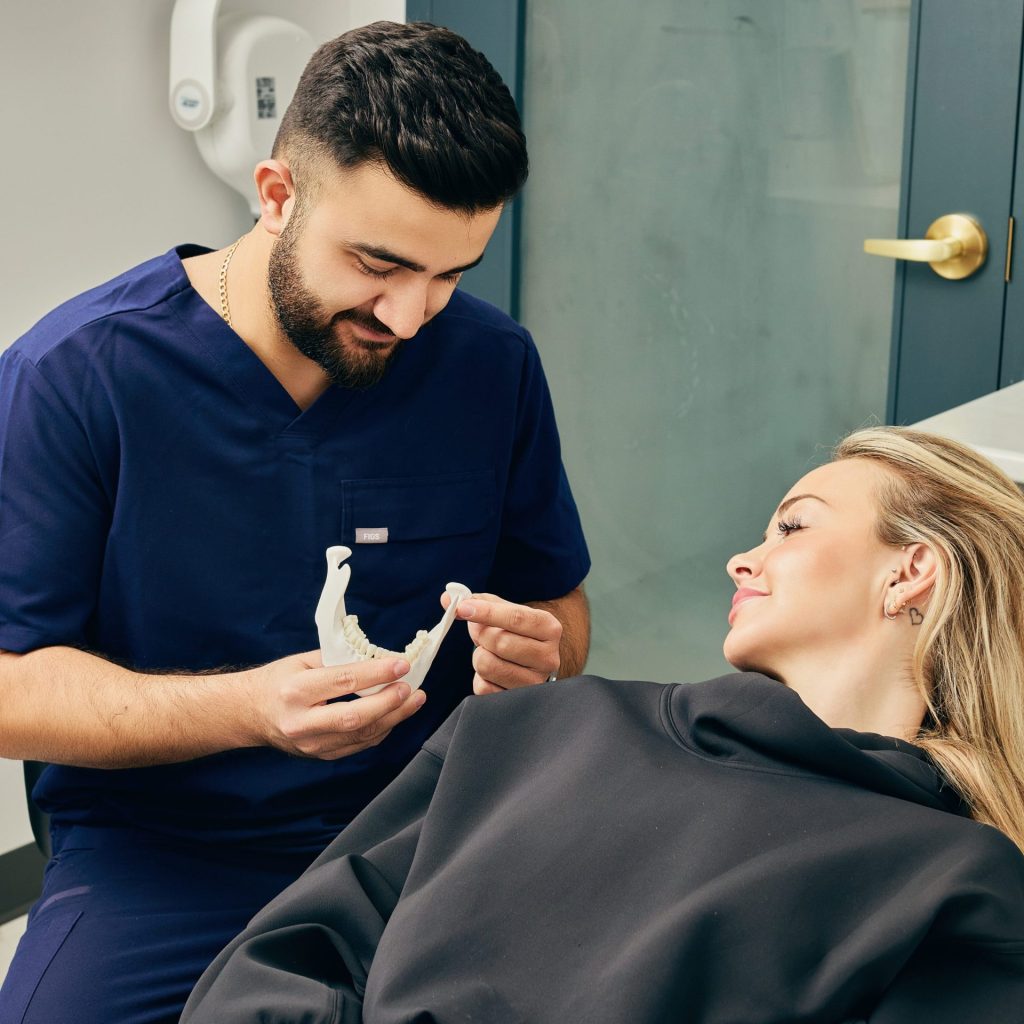
This section explains common, cost-determining elements in TMJ care and clarifies available affordable pathways and payment conveniences relevant to patients choosing care. Costs depend on severity, the mix of therapies used, and the number of sessions required; many patients follow a short initial course that focuses on rapid symptom reduction followed by maintenance. The Jaw & Spine Centre offers chiropractic-based TMJ pathways that can combine Chiropractic Adjustments, Cold Laser Therapy, and Instrument Assisted Soft Tissue Mobilization to accelerate relief while remaining non-invasive. Direct Billing is available at Toronto and Belleville locations to reduce out-of-pocket friction, and custom orthotics are listed as an option when bite-related mechanics are part of the treatment plan.
| Service | Typical Sessions | Common Outcomes |
|---|---|---|
| Chiropractic Adjustments | 3–5 sessions initially | Reduced pain, improved mouth opening, decreased muscle guarding |
| Cold Laser Therapy | 4–8 sessions adjunctive | Reduced local inflammation and accelerated tissue healing |
| Custom Orthotics | Assessment + fabrication (variable) | Improved bite mechanics and reduced bruxism-related loading |
How Much Does Chiropractic Care for TMJ Cost?
Cost for TMJ chiropractic care varies with the chosen modality mix, the number of sessions required, and geographic location, and most conservative courses start with a short block of 3–5 visits focused on rapid symptom control. Rather than fixed prices, clinicians typically recommend an initial diagnostic visit followed by a tailored plan that gives a clear projection of sessions and expected benefits. Factors like addition of Cold Laser Therapy or Custom Orthotics will influence total cost and may extend the number of visits required for durable outcomes. Patients should view chiropractic care as a staged investment: initial relief-focused treatment followed by prevention and maintenance to reduce long–term recurrence.
What Direct Billing and Payment Options Are Available?
Direct billing can streamline payment by submitting claims to insurers on the patient’s behalf, and patients should confirm coverage limits and eligible services with their provider before booking an appointment. The Jaw & Spine Centre explicitly offers Direct Billing at Toronto and Belleville locations, which can reduce out-of-pocket expense at the time of service for eligible plans. For patients considering affordability, verifying insurer coverage and session limits provides clarity and helps set realistic expectations for out-of-pocket commitments. Confirming benefits ahead of the first visit makes financial planning easier and reduces barriers to starting timely care.
Why Is Chiropractic Care a Cost-Effective TMJ Solution?
Chiropractic care is cost-effective because it targets mechanical and neuromuscular drivers of TMJ pain, often avoiding longer-term medication costs and the higher risks and expenses associated with invasive procedures. By focusing on root contributors such as posture, bruxism, and joint loading, conservative care can reduce recurrence and improve function, delivering value over time. When combined with affordable adjuncts like cold laser therapy and appropriately timed custom orthotics, the overall care package often compares favorably to prolonged medication management or surgical pathways. For patients seeking efficient, non-surgical TMJ solutions, this value proposition explains why many providers recommend a trial of conservative care first.
What Can You Expect During Your First TMJ Chiropractic Consultation?
Your first TMJ chiropractic consultation centers on a focused history and physical exam that identifies key drivers of jaw pain and constructs a personalized, evidence-aligned plan to produce fast relief. The assessment typically includes questions about symptom onset, bruxism or trauma history, and a targeted physical exam of jaw range-of-motion, joint sounds, muscle palpation, and cervical spine assessment. Based on findings, the clinician outlines treatment options—such as Chiropractic Adjustments and adjunct therapies—and provides a projected timeline and session plan that balances rapid symptom control with prevention. Clear communication during this visit helps set realistic expectations and guides early self-care steps to maximize the speed of improvement.
A case report highlights the chiropractic management of a patient experiencing TMJ pain and headaches, detailing the treatment approach involving adjustments to the TMJ and cervical spine.
Chiropractic Care for TMJ Pain and Headaches
This case report describes the chiropractic treatment of a patient with temporomandibular joint (TMJ) pain and to discuss the general etiology and management of TMJ conditions. Clinical Features • The patient suffered from daily unremitting jaw pain, headaches, and clicking in the jaw. The pain had been present for several months and had not responded to previous treatments. The patient was treated with chiropractic adjustments to the TMJ and cervical spine.
Chiropractic treatment of temporomandibular disorders using the activator adjusting instrument and protocol., 2005
How Is TMJ Diagnosed at The Jaw & Spine Centre?
Diagnosis is built from a structured intake, a targeted musculoskeletal exam, and functional tests of jaw and neck mobility to determine whether the pain is joint-related, muscle-related, or referred from cervical structures. Clinicians evaluate mouth opening, joint sounds, palpation of the masseter and temporalis, and assess cervical range-of-motion to map referral patterns; imaging or dental referral is considered when red flags or structural concerns arise. This systematic process identifies which modalities—jaw adjustments, cervical work, soft tissue mobilization, or adjunct tools—will most likely deliver fast improvement. A clear, evidence-informed diagnosis gives the patient and clinician a roadmap for focused treatment.
How Are Personalized TMJ Treatment Plans Developed?
Personalized TMJ plans combine the diagnostic findings, patient goals, and practical constraints to select the appropriate mix of Chiropractic Adjustments and adjunct therapies, with frequency and duration tailored to expected recovery speed. Factors considered include whether bruxism, posture, trauma, or arthritis are primary drivers, and plans often integrate home exercises and self-care alongside in-clinic treatments. The clinician sequences interventions to prioritize rapid pain reduction first, then moves to mobility restoration and long-term stability strategies. This staged approach increases the chance of early relief while building resilience against recurrence.
How Quickly Can Patients Experience Relief?
Some patients experience immediate pain reduction and improved range of motion after a single focused adjustment, while others obtain meaningful relief over a short course of care—commonly within 3–5 sessions—depending on cause and chronicity. Immediate changes typically reflect decreased muscle guarding and improved joint tracking, whereas cumulative improvements represent reduced inflammation, tissue remodeling, and motor control retraining. Variables such as bruxism severity, duration of symptoms, and adherence to home programs influence how rapidly results appear. Understanding this spectrum of response helps set realistic expectations and encourages early engagement in recommended self-care.
What Do Patients Say About Their TMJ Relief Experiences?
Patient-reported outcomes for conservative TMJ care frequently emphasize reduced pain, improved chewing and sleep, and less reliance on medication when multimodal strategies are applied consistently. Clinical case series and practice-level audits often show that combining jaw and cervical adjustments with soft tissue work and targeted exercises accelerates improvements in function and quality of life. While individual results vary and randomized controlled trial data continues to grow, the coherent mechanism linking alignment, muscle tone, and reduced nociception explains why many people report measurable early benefit. Below, we summarize the types of functional improvements commonly reported after conservative care.
Which Patient Success Stories Highlight Fast TMJ Relief?
Anonymized practice patterns commonly show that patients presenting with recent-onset jaw pain related to bruxism or postural strain frequently report substantial symptom relief within the first few visits when a focused, multimodal plan is applied. Typical narratives describe initial severe discomfort and limited opening followed by progressive pain reduction and improved chewing function across several sessions. These patterns underscore the importance of early, targeted intervention and adherence to home strategies to consolidate gains. While outcomes vary by etiology, many patients experiencing muscular or posture-related TMJ problems achieve the fastest recovery trajectories.
How Does Chiropractic Care Improve Quality of Life for TMJ Patients?
Chiropractic care improves quality of life by restoring comfortable jaw function, reducing pain-related sleep disruption, and lowering dependence on analgesics—consequences that ripple into better eating, mood, and workplace performance. Addressing both local jaw mechanics and contributing cervical factors reduces the frequency and intensity of headaches and ear-related discomfort, improving daily activity tolerance. When combined with ergonomic changes and stress-management strategies, the long-term benefits include fewer flare-ups and better resilience to triggers like prolonged phone use or poor sleep. These functional gains often represent the most meaningful improvements for patients managing chronic or recurring TMJ symptoms.
How Can You Prevent TMJ Pain and Maintain Jaw Health?
Prevention focuses on reducing mechanical and behavioral drivers of TMJ strain through ergonomic adjustments, targeted exercises, stress-management practices, and brief activity modifications. A prevention plan reduces the frequency of flare-ups, supports long-term function, and complements in-clinic care by addressing root causes such as posture, bruxism, and habitual tension. Below, we provide pragmatic tips, exercises, and stress-reduction strategies presented as easy, actionable items that patients can adopt daily to protect jaw health and reduce recurrence risk.
What Ergonomic Tips Support Jaw and Spine Health?
Simple ergonomic changes—like maintaining a neutral head and neck position, using hands-free phone options, and adjusting monitor height to eye level—reduce sustained cervical flexion that transmits strain to the TMJ. Avoiding prolonged one-sided chewing, taking regular micro-breaks during phone or computer work, and using supportive pillows to limit forward head posture during sleep also help. These habit shifts decrease continuous loading on the masticatory muscles and lower the cumulative risk of dysfunction. Consistent attention to ergonomics creates a foundation for both recovery and long-term prevention.
Which Exercises Help Relieve TMJ Pain?
Targeted exercises promote jaw mobility and reduce muscle hyperactivity; recommended movements include controlled jaw opening with tongue posture, gentle chin tucks to restore cervical alignment, and resisted mouth opening to rebuild motor control. Perform these exercises with slow, pain-free repetitions two to three times per day, keeping range within comfort and avoiding forceful stretching that increases irritation. Integrating soft tissue self-massage of the masseter and temporalis supports relaxation between sessions. Regular, gentle practice stabilizes the joint and reduces the likelihood of symptomatic recurrence.
| Exercise / Tip | Targeted Structure | Expected Benefit |
|---|---|---|
| Chin tucks | Cervical spine | Restores neutral alignment and reduces referred jaw tension |
| Gentle jaw opening with tongue on palate | TMJ muscles and discs | Improves controlled mouth opening and reduces clicking |
| Masseter self-release (gentle pressure) | Masseter muscle | Reduces muscle tone and decreases localized pain |
How Does Stress Management Reduce Orofacial Pain?
Stress increases sympathetic arousal and jaw clenching, which intensifies muscle fatigue and perpetuates pain cycles, so incorporating breathing exercises, progressive muscle relaxation, and sleep hygiene reduces bruxism triggers. Simple breathing routines performed daily lower baseline muscle tension and interrupt episodes of unconscious clenching during work or rest. Mindfulness practices and scheduled relaxation breaks also reduce the frequency of stress-related flare-ups. By addressing the psychophysiological drivers of bruxism and muscle guarding, stress management directly contributes to both symptom reduction and long-term maintenance.
What Are the Most Frequently Asked Questions About TMJ Chiropractic Care?
This FAQ-style section provides concise, evidence-aligned answers to common patient questions about cost, permanence, fastest relief methods, signs and symptoms, and when chiropractic is most appropriate. The responses are structured to be direct and actionable so you can quickly determine whether chiropractic pathways align with your goals for fast, affordable, non-surgical TMJ relief. Each answer clarifies variability and encourages a diagnostic visit when individualized guidance is needed.
How Much Does a Chiropractor Cost for TMJ Treatment?
Cost depends on the individualized treatment plan—number and type of sessions, adjunctive modalities, and whether custom orthotics are required—and many patients begin with a short course of 3–5 sessions aimed at rapid symptom control. Direct Billing availability at Toronto and Belleville locations can reduce immediate out-of-pocket costs for patients with eligible plans, but confirming coverage limits and eligible services with the insurer is important. For precise estimates, schedule an initial assessment so the clinician can outline a plan and anticipated session count. This approach ensures transparent expectations about both cost and likely clinical timeline.
Can Chiropractic Care Permanently Fix TMJ?
Chiropractic care can produce long-term improvement by addressing biomechanics and neuromuscular contributors, but permanence depends on the underlying cause, patient adherence to prevention strategies, and whether structural disease like advanced arthritis is present. For many patients with posture-related or bruxism-driven TMJ dysfunction, a combination of in-clinic care and ongoing self-management reduces recurrence substantially. When structural or dental factors play a major role, coordination with dental or medical specialists may be necessary for durable outcomes. Framing care as restoration plus maintenance gives the most realistic expectation for sustained improvement.
What Is the Fastest Way to Relieve TMJ Pain?
Immediate relief strategies combine self-care and targeted in-clinic interventions: short-term measures include cold packs, soft diet, and gentle jaw relaxation, while clinical options that often deliver rapid reduction include chiropractic adjustments, instrument-assisted soft tissue mobilization, and cold laser therapy. Use the following quick-action checklist to reduce acute symptoms and prepare for clinical care.
- Apply cold packs: Reduce acute inflammation for 10–15 minutes.
- Adopt a soft diet: Minimize jaw loading during flare-ups.
- Practice gentle jaw relaxation exercises: Reduce muscle guarding and tension.
What Are the Signs and Symptoms of TMJ?
Common signs and symptoms include jaw pain with chewing, limited mouth opening, joint clicking or locking, headaches, ear fullness or discomfort, and neck stiffness, and any combination of these should prompt a targeted assessment. When symptoms include sudden severe pain, fever, or progressive neurological change, urgent evaluation is warranted. For most chronic or recurring patterns, a staged conservative approach focusing on biomechanics and muscle relaxation is appropriate. Early recognition and intervention improve the likelihood of rapid symptomatic relief and reduced chronicity.
What Makes Chiropractic the Best Treatment for TMJ?
Chiropractic care emphasizes non-invasive correction of joint mechanics and neuromuscular imbalances, which often addresses the root contributors to TMJ pain rather than only treating symptoms; this root-cause orientation can produce faster functional gains and reduced downstream costs. Chiropractic integrates spinal and jaw adjustments with soft tissue techniques, nerve flossing, and adjunct modalities to create multimodal plans tailored to specific etiologies such as bruxism or posture-related dysfunction. Advanced practitioners use this integrative approach when conservative pathways are most likely to succeed, and they coordinate with dental or medical colleagues when multidisciplinary care is indicated. For patients seeking a non-surgical, biomechanical-first strategy, chiropractic is a well-aligned option.
For patients ready to explore care, The Jaw & Spine Centre offers Chiropractic Adjustments and integrated adjuncts with Direct Billing available at Toronto and Belleville to reduce financial barriers and help you start a tailored pathway to fast, affordable TMJ relief.
26 Wellington St E, Unit 110, Toronto, ON M5E 1S2, Canada
Hours
Friday: 9 am – 5 pm
Saturday: 10 am – 4 pm
Sunday: Closed
Direct Billing Available in Toronto
Belleville
Belleville Quinte Chiropractic & Sports Injury Clinic
65 Dundas St E. Belleville ON K8N 1B9
Hours
Mon & Tue: 8:30 am – 2:30 pm
Wednesday: 8:30 am – 6 pm
Thursday: 2:30 pm – 6 pm
Direct Billing Available in Bellevile
Picton
County Chiropractic Centre
49 Main Street, Picton, ON K0K 2T0
Hours
Tuesday: 3 pm – 6 pm
Thursday: 9 am – 2 pm
Wellington
County Chiropractic Centre
296 Wellington Main St, Wellington, ON K0K 3L0
Hours
Monday: 3 pm – 6 pm
Working Hours
- Monday: 8:30 am – 2:30 pm (Belleville) | 3 pm – 6 pm (Wellington)
- Tuesday: 8:30 am – 2:30 pm (Belleville) | 3 pm – 6 pm (Picton)
- Wednesday: 8:30 am – 6 pm (Belleville)
- Thursday: 9 am – 2 pm (Picton) | 2:30 pm – 6 pm (Belleville)
- Friday: 9 am – 5 pm (Toronto)
- Saturday: 10 am – 3 pm (Toronto)
Our Popular Services
At Jaw & Spine Chiropractic Centre, we are committed to providing comprehensive chiropractic care tailored to the unique needs of each patient. Our clinics specialize in the treatment of all neuromusculoskeletal disorders, with a particular focus on managing jaw and orofacial pain.
Quick Contacts

- Copyright 2025 The Jaw & Spine Doctor
Leave a Reply