Discover Top TMJ Chiropractors for Immediate Relief
Discover Top TMJ Chiropractors Near Me for Immediate Jaw Pain Relief
Jaw pain affects up to 12 percent of Americans at any given time, yet many sufferers delay seeking non-invasive solutions that target underlying causes. In this guide you will learn what temporomandibular joint (TMJ) disorders are, how specialized chiropractic care alleviates jaw and orofacial pain, and where to find the best TMJ chiropractor near you. We’ll explore common and less common TMJ symptoms, chiropractic adjustment and soft tissue techniques, the benefits of a TMJ specialist, what to expect on your first visit, self-care exercises, and how chiropractic care addresses related orofacial pain. By the end, you’ll understand how expert chiropractic services—offered by The Jaw Spine Doctor—can deliver immediate relief and lasting functional improvements without surgery or drugs.
What Are Temporomandibular Joint (TMJ) Disorders and Their Common Symptoms?
Temporomandibular joint (TMJ) disorders are conditions affecting the hinge joint that connects the skull to the lower jaw, where dysfunction causes pain, restricted movement, and muscle tension impacting daily activities. TMJ disorders arise from jaw misalignment, muscle overuse, arthritis, or cervical spine issues, leading to inflammation and disrupted joint mechanics. For example, a misaligned bite can increase strain on the masseter muscle, producing headaches and limited mouth opening. Understanding these disorders sets the stage for exploring targeted chiropractic strategies to restore alignment, reduce inflammation, and improve jaw mobility.
What Is TMJ and How Does It Affect Jaw Function?
TMJ refers to the complex joint and surrounding muscles that control chewing, speaking, and yawning, and dysfunction here disrupts normal mandibular motion and joint stability. The joint’s cartilage and synovial fluid cushion movements, but disc displacement or muscle tension alters the smooth gliding action, causing clicking or limited range. Over time, compensatory muscle spasms develop in the masseter, temporalis, and neck muscles, amplifying pain and reducing bite efficiency. Recognizing TMJ anatomy and dysfunction is essential for chiropractic interventions that realign the joint and rebalance muscle forces.
What Are the Most Common Symptoms of TMJ Dysfunction?

Below is a list of the primary symptoms frequently reported by individuals with TMJ disorders:
- Jaw pain or tenderness when chewing or speaking
- Clicking, popping, or grating sounds during jaw movement
- Difficulty fully opening or closing the mouth
- Tension headaches, often originating near the temples
- Earaches or a feeling of fullness in the ears
These core symptoms often coexist and may intensify with stress or poor posture, prompting many patients to seek relief through specialized chiropractic care that addresses both joint alignment and muscular balance.
What Are Less Common Symptoms Linked to TMJ?
While jaw pain and popping are widely recognized symptoms, patients may also experience less common signs that link TMJ dysfunction to broader neuromusculoskeletal health:
- Tinnitus or ringing in the ears
- Dizziness or balance disturbances
- Facial stiffness or swelling around the jaw
- Vision disturbances or eye strain
- Neck pain radiating to the shoulders
These secondary symptoms highlight the interconnected nature of the cervical spine and TMJ, reinforcing the need for holistic chiropractic evaluation and treatment.
How Do Chiropractors Treat Jaw Pain and TMJ Disorders?
Chiropractors treat jaw pain and TMJ disorders by combining precise adjustments, targeted soft tissue therapy, and rehabilitative exercises to restore joint function, reduce muscle tension, and alleviate pain. By realigning the temporomandibular joint and cervical vertebrae, chiropractic care normalizes biomechanical forces and promotes optimal nerve signaling. Patients often notice reduced discomfort and improved chewing ability after the first few sessions, paving the way for sustainable recovery and enhanced quality of life.
What Chiropractic Adjustment Techniques Are Used for TMJ Relief?
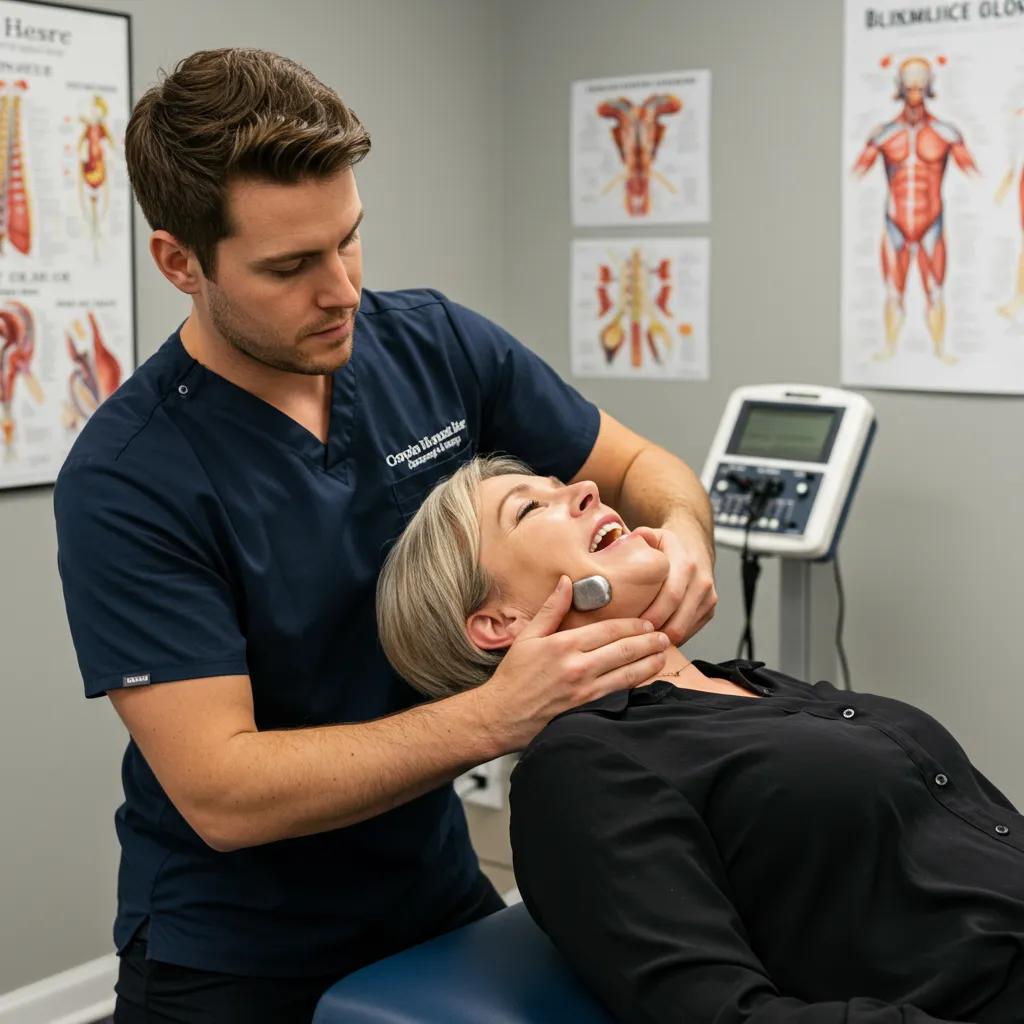
Manual and instrument-assisted adjustment techniques apply controlled force to the TMJ and upper cervical spine to correct misalignments, improve joint mechanics, and decrease inflammation. These adjustments may include direct manipulation of the mandibular condyle, high-velocity low-amplitude thrusts, and Activator instrument applications to optimize precision.
| Technique | Target Area | Mechanism | Benefit |
|---|---|---|---|
| Manual Jaw Adjustment | Temporomandibular Joint | Realigns condyle and articular disc | Immediate joint decompression and relief |
| Cervical Spine Adjustment | C1–C3 vertebrae | Restores cervical alignment | Reduces referred neck pain and tension |
| Instrument-Assisted Method | TMJ and surrounding soft tissues | Delivers precise force without torque | Enhanced comfort and reduced muscle spasm |
How Does Soft Tissue Therapy Help TMJ Pain?
Soft tissue therapy employs myofascial release, trigger point therapy, and therapeutic massage to ease tension in masticatory muscles such as the masseter, temporalis, and pterygoids. By applying sustained pressure and stretching muscle fibers, this approach increases blood flow, decreases adhesions, and restores normal muscle length. For instance, myofascial release around the jaw can quickly relieve trigger points that refer pain to the temples, creating a more balanced musculoskeletal environment for adjustments to hold.
Research indicates that manual soft tissue therapy and therapeutic exercises can significantly reduce pain and improve mobility in TMJ patients.
Manual Soft Tissue Therapy and Exercises for TMJ Pain and Mobility
The limited number of randomized controlled trials (RCTs) comparing the efficacy of soft tissue manual therapy and self-therapy interventions prompted the authors to focus on the analgesic and myorelaxant use of massage, post-isometric muscle relaxation (PIR) and therapeutic exercise in TMD patients.
To evaluate the effectiveness of soft tissue therapy and therapeutic exercises in female patients with pain, increased masseter muscle tension and limited mandibular mobility.
The study was conducted on a group of 82 women (G1) with the Ib disorder diagnosed in DC/TMD (Ib—myofascial pain with restricted mobility). The control group (G2) consisted of 104 women without diagnosed TMDs (normal reference values for TMJ ROM and masseter muscle sEMG bioelectric activity). Diagnostic procedures were performed in both groups (sEMG of the masseter muscles at baseline and during exercise, measurement of TMJ mobility, assessment of pain intensity—NRS scale). The G1 group was randomly divided into 3 therapeutic groups in which the therapy was carried out for 10 days: therapeutic exercises (TE), manual therapy – massage and therapeutic exercises (MTM_TE), manual therapy – PIR and therapeutic exercises (MTPIR_TE). Each time after therapy, the intensity of pain and TMJ mobility were assessed. Sealed, opaque envelopes were used for randomization. After 5 and 10 days of therapy, bilateral sEMG signals of the masseter muscles were acquired.
Massage, PIR and self-therapy led to a decrease in sEMG at rest as well as in exercise. After day 6 of therapy, the groups obtained a significant difference (p= 0.0001). Each of the proposed forms of therapy showed a minimal clinically significant difference (MID) in the sEMG parameter at the endpoint, with the most considerable difference in the MTM_TE group. The forms of MT used were effective in reducing the patients’ pain intensity; however, a significant difference between therapies occurred after 4 treatments (p= 0.0001). Analyzing
Evaluation of the efficacy of manual soft tissue therapy and therapeutic exercises in patients with pain and limited mobility TMJ: a randomized control trial (RCT), 2023
What Complementary Therapies Support Chiropractic TMJ Treatment?
Complementary therapies enhance chiropractic TMJ treatment by reinforcing structural corrections and promoting healthy movement patterns. Key supportive options include:
- Therapeutic Exercises that strengthen and stretch jaw and neck muscles
- Posture Training to maintain spinal alignment and reduce joint strain
- Nutritional Guidance to address inflammation through diet modifications
Integrating these therapies with clinical adjustments ensures patients build resilience and sustain improvements in jaw function and overall comfort.
What Are the Benefits of Choosing a TMJ Specialist Chiropractor?
A TMJ specialist chiropractor offers focused expertise in diagnosing complex jaw conditions and applying advanced neuromusculoskeletal techniques, resulting in precise, non-invasive interventions that deliver immediate and lasting relief. With specialized training, these practitioners understand the intricate relationship between cervical alignment and mandibular function and tailor care to individual needs. Selecting a specialist maximizes treatment efficiency, reduces the risk of recurrence, and expedites recovery through evidence-based protocols.
The intricate connection between the cervical spine, the jaw, and facial pain is a significant area of study in understanding craniofacial pain.
Cervical Spine, Stomatognathic System, and Craniofacial Pain Association
Craniofacial pain is a term that encompasses pain in the head, face, and related structures. Multiple etiologies and factors may be related to craniofacial pain; however, the association between the cervical spine and its related structures and craniofacial pain is still a topic of debate. The objective of this critical review was to present and analyze the evidence of the associations between the cervical spine, stomatognathic system, and craniofacial pain. A search of the databases Medline, PubMed, Embase, Web of Sciences, Cochrane Library, Cinahl, and HealthStar was conducted for all publications related to the topic in the English and Spanish languages. Relevant information was also derived from reference lists of the retrieved publications. The key words used in the search were cervical spine, cervical vertebrae, neck pain, neck injuries, neck muscles, craniofacial pain, orofacial pain, facial pain, temporomandibular joint pain, and temporomandibular joint disorders
The association between the cervical spine, the stomatognathic system, and craniofacial pain: a critical review, S Armijo-Olivo, 2016
How Does Chiropractic Care Provide Non-Invasive, Drug-Free Relief?
Chiropractic care provides non-invasive, drug-free relief by using hands-on adjustments, soft tissue mobilization, and rehabilitative exercises that address mechanical dysfunction and muscle imbalance without relying on pharmaceuticals or surgery. Restoring proper joint alignment decreases inflammation and nerve irritation, enabling the body’s natural healing processes to reduce pain and restore mobility.
Why Is Addressing the Root Cause Important for Lasting TMJ Relief?
Addressing spinal misalignment, poor posture, and muscle imbalances directly tackles the underlying causes of TMJ dysfunction rather than merely masking symptoms. By realigning the cervical spine and rebalancing orofacial muscles, chiropractic care promotes neuromuscular coordination that prevents recurrent strain, ensuring sustained improvement in jaw comfort and function.
How Does Chiropractic Care Improve Jaw Mobility and Reduce Related Symptoms?
Chiropractic interventions combine joint adjustments and soft tissue techniques to restore normal mandibular biomechanics, which increases range of motion and decreases tension in surrounding muscles. As jaw mobility improves, patients often experience concurrent relief from headaches, neck pain, and ear discomfort, illustrating the holistic impact of targeted chiropractic treatment.
What to Expect During Your First Visit to a TMJ Chiropractor?
Your first visit to a TMJ chiropractor includes a thorough assessment, personalized diagnosis, and initiation of a tailored care plan designed to relieve discomfort and restore function. This foundational appointment establishes baseline measurements and identifies contributing factors, guiding subsequent treatment sessions. Understanding the evaluation process and treatment timeline helps set realistic expectations and fosters confidence in the pathway to relief.
How Is TMJ Diagnosed by a Chiropractor?
A chiropractor diagnoses TMJ through a comprehensive approach that includes patient history review, physical examination of jaw motion and muscle palpation, and diagnostic imaging such as X-rays or cranial scans when indicated. This multi-layered evaluation detects joint misalignment, muscle hypertonicity, and spinal deviations, forming the basis for a targeted treatment strategy.
How Is a Personalized TMJ Treatment Plan Developed?
A personalized TMJ treatment plan is developed by synthesizing diagnostic findings, symptom patterns, and lifestyle considerations to select the most effective combination of adjustments, soft tissue therapies, and home exercises. Regular progress assessments ensure the plan adapts to patient response, optimizing outcomes and preventing complications.
How Long Does Chiropractic Treatment for TMJ Usually Take?
Chiropractic treatment for TMJ typically unfolds over 4 to 8 weeks, with patients attending 1 to 2 sessions per week. Most individuals notice significant symptom reduction within the first 2 to 4 visits, while full functional restoration often requires consistent follow-up care and self-management techniques.
How Can You Find the Best TMJ Chiropractor Near Me?
Finding the best TMJ chiropractor near you involves evaluating credentials, patient feedback, and clinic specialization to ensure expert, evidence-based care tailored to jaw dysfunction. Prioritizing practitioners with focused TMJ training and comprehensive treatment offerings increases the likelihood of immediate relief and long-term improvement. A thoughtful selection process streamlines access to professional support and begins the journey toward pain-free jaw mobility.
What Qualities Should You Look for in a TMJ Specialist Chiropractor?
When selecting a TMJ specialist chiropractor, consider these key qualities:
- Proven experience treating TMJ disorders and orofacial pain
- Advanced training in jaw and cervical spine adjustments
- Positive patient reviews emphasizing functional outcomes
- Holistic approach that integrates posture and lifestyle modifications
How Do You Schedule an Initial TMJ Chiropractic Consultation?
Scheduling an initial TMJ chiropractic consultation generally involves contacting the clinic by phone or completing a brief intake form to describe your symptoms and determine appointment availability. Clinic staff will guide you through insurance details or payment options and provide pre-visit instructions, ensuring you arrive prepared for your comprehensive evaluation.
What Self-Care and Exercises Can Complement Chiropractic TMJ Treatment?
Self-care routines and targeted exercises bolster chiropractic treatment by maintaining joint mobility, reducing muscle tension, and reinforcing postural corrections between clinic visits. Regular practice of these techniques accelerates recovery, minimizes flare-ups, and empowers patients to take an active role in their long-term jaw health. Integrating self-management strategies enhances the benefits of professional adjustments and fosters lasting relief.
Which Jaw Exercises and Stretches Help Relieve TMJ Pain?
Gentle jaw exercises and stretches improve muscle flexibility, joint lubrication, and neuromuscular control, reducing TMJ discomfort and enhancing function.
| Exercise | Description | Benefit |
|---|---|---|
| Controlled Jaw Opening | Slowly open and close the mouth keeping lips together | Enhances disc movement and joint lubrication |
| Side-to-Side Jaw Movements | Move lower jaw left and right in a slow, controlled motion | Stretches lateral muscle fibers to reduce tightness |
| Resisted Jaw Closure | Place hand under chin and gently press while closing jaw | Strengthens masseter and stabilizes bite force |
Performing these exercises twice daily maintains the joint’s range of motion and supports chiropractic adjustments.
How Does Posture Correction Support TMJ Recovery?
Correcting head and neck posture aligns the cervical spine and reduces compensatory muscle tension in the jaw by distributing forces evenly across the musculoskeletal system. Simple strategies include:
- Ergonomic workstation setup with monitor at eye level
- Chin-tuck exercises to strengthen deep neck flexors
- Supportive pillow selection to maintain neutral spine during sleep
Consistent posture management prevents undue TMJ strain and reinforces structural corrections achieved during chiropractic sessions.
What Lifestyle Changes and Stress Management Techniques Aid TMJ Relief?
Lifestyle modifications and stress reduction measures address common TMJ aggravators by minimizing muscle clenching and inflammation. Key techniques include:
- Mindful stress management practices such as deep-breathing or guided meditation
- Dietary adjustments to avoid hard, chewy foods that exacerbate joint strain
- Sleep hygiene improvements like consistent bedtime routines and supportive pillows
These changes create a calm, balanced environment for jaw muscles, complementing clinical care and promoting sustained relief.
How Does Chiropractic Care Address Orofacial Pain Related to TMJ?
Chiropractic care addresses orofacial pain by restoring spinal and cranial alignment, balancing facial musculature, and modulating neural tension, thereby alleviating nerve-related discomfort and muscle hypertonicity. By treating the interconnected systems of the jaw, neck, and pelvis, chiropractors reduce referred pain patterns and improve overall neuromusculoskeletal function. This comprehensive approach extends the benefits of TMJ treatment to a wider range of facial pain conditions.
What Types of Orofacial Pain Can Chiropractors Treat?
Chiropractors can effectively treat various orofacial pain conditions by targeting neuromuscular imbalances and joint dysfunctions:
- Trigeminal neuralgia presenting as sharp facial nerve pain
- Tension-type headaches originating from cervical and jaw muscles
- Referred neck pain manifesting as facial tightness
Addressing these conditions through structural and soft tissue therapies helps reduce reliance on medication and improves daily comfort.
How Does Chiropractic Treatment Alleviate Facial Nerve and Muscle Pain?
Chiropractic treatment alleviates facial nerve and muscle pain through targeted adjustments, myofascial release, and neural mobilization techniques that reduce nerve compression and muscle hypertonicity. By normalizing joint biomechanics and enhancing circulation, these therapies interrupt pain signals and restore functional balance. Patients often report diminished facial tingling, reduced headache frequency, and a greater sense of overall well-being.
Chiropractic guidance, combined with self-care exercises and lifestyle changes, empowers you to manage jaw and orofacial pain effectively. When seeking expert, non-invasive relief, schedule your initial consultation with The Jaw Spine Doctor to begin a personalized TMJ treatment plan that targets both symptoms and root causes. Experience immediate improvement in jaw mobility, reduced muscle tension, and renewed confidence in everyday activities.
26 Wellington St E, Unit 110, Toronto, ON M5E 1S2, Canada
Hours
Monday: Closed
Tuesday: 3:00 – 7:00 pm
Wednesday: 8:00 am – 12:00 pm
Friday: 9:00 am – 6:00 pm
Saturday: 10 am – 4 pm
Sunday: Closed
Direct Billing Available in Toronto
Belleville
Belleville Quinte Chiropractic & Sports Injury Clinic
65 Dundas St E. Belleville ON K8N 1B9
Hours
Mondays: 1:00 pm – 6:00 pm
Tuesday: 8:30 am – 12:30 pm
Wednesday: 2:00 – 6:00 pm
Thursday: 11:00 am – 6 pm
Friday, Saturday, Sunday: Closed
Direct Billing Available in Bellevile
Working Hours
- Monday: 1 pm - 6 pm (Belleville)
-
Tuesday: 8:30 am – 12:30 pm (Belleville) |
3 pm – 7 pm (Toronto) -
Wednesday: 8:30 am – 12pm (Toronto) |
2 - 6 pm (Belleville) - Thursday: 11 am – 6 pm (Belleville)
- Friday: 9 am – 6 pm (Toronto)
- Saturday: 10 am – 4 pm (Toronto)
Our Popular Services
At Jaw & Spine Chiropractic Centre, we are committed to providing comprehensive chiropractic care tailored to the unique needs of each patient. Our clinics offer in the treatment of all neuromusculoskeletal disorders, with a particular focus on managing jaw and orofacial pain.
Quick Contacts

- Copyright 2025 The Jaw & Spine Doctor