We’re excited to offer Theralase® Cold Laser Therapy at our Downtown Toronto clinic. This non-invasive treatment uses advanced laser technology to accelerate healing, reduce inflammation, and relieve pain — helping you recover faster and feel your best.
Why Choose Our Downtown Laser Therapy Clinic
Our Downtown laser therapy treatments are:
Non-invasive and completely pain-free
Safe for all ages and skin types
Scientifically validated with fast, noticeable results
Customized for your specific condition and goals

Conditions Treated with Theralase Cold Laser Therapy
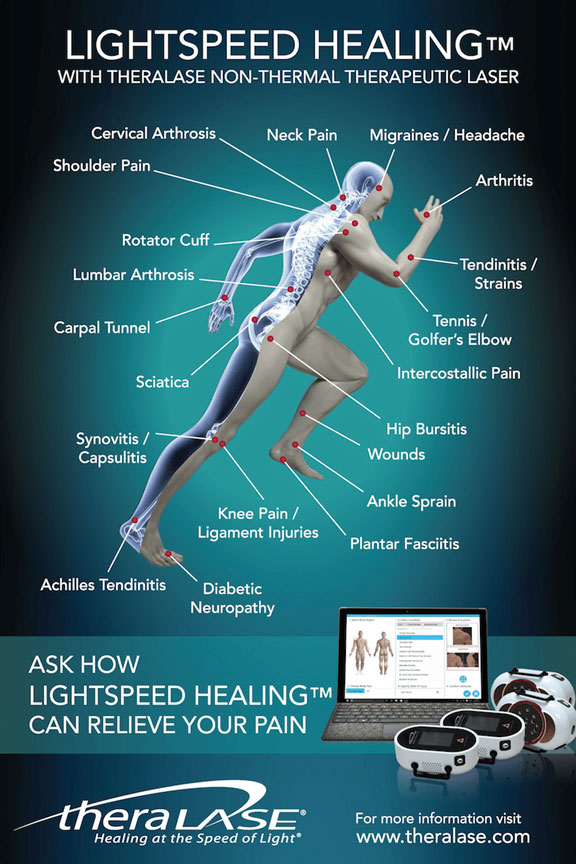
Theralase laser therapy is clinically proven to help with a wide range of injuries and chronic pain conditions, including:
TMJ & Jaw Pain – Targeted Downtown TMJ laser treatments for TMJ arthritis and trigeminal neuralgia
Shoulder Injuries – Effective frozen shoulder treatment and relief for rotator cuff inflammation
Foot & Heel Pain – Proven plantar fasciitis laser therapy for improved mobility and pain reduction
Sports Injuries & Fractures – Accelerates recovery through laser therapy for fractures and ankle sprain treatment
Arthritis & Joint Pain – Reduces stiffness and promotes long-term joint health
Sciatica, Back Pain, and Nerve Conditions – Supports nerve regeneration and reduces chronic discomfort
How Theralase Works
The Theralase non-thermal therapeutic laser stimulates cellular repair deep within muscles, joints, and nerves.
It promotes healing by:
Increasing collagen production and cellular regeneration
Enhancing nerve and cartilage repair
Stimulating angiogenesis (new blood vessel formation)
Reducing inflammation, swelling, and pain

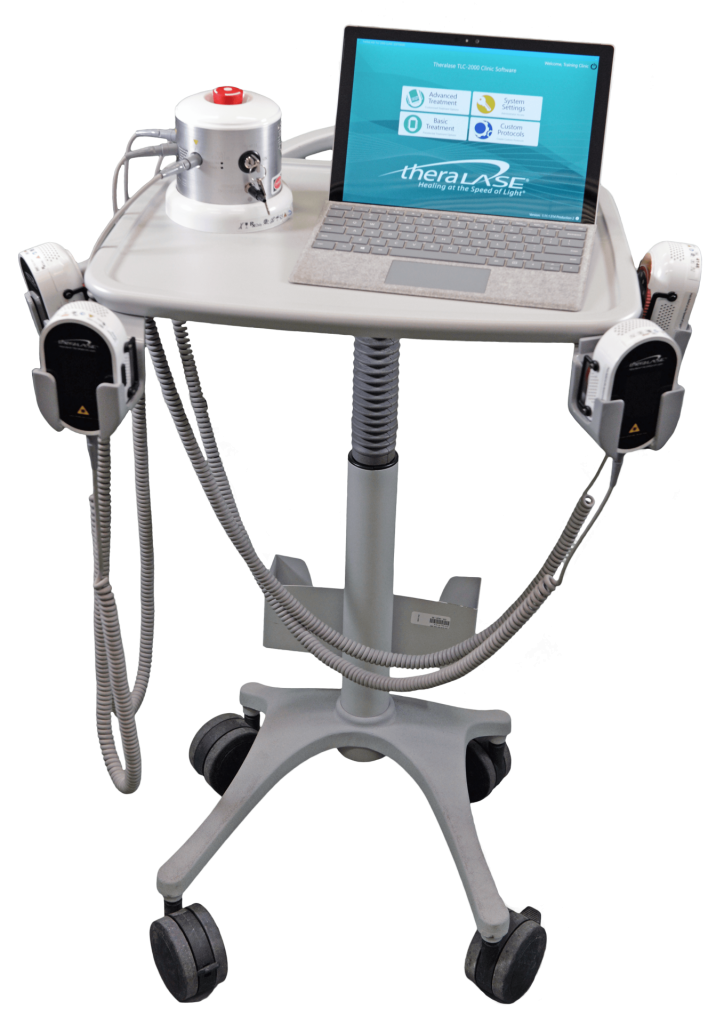
Experience LightSpeed Healing™
Whether you’re recovering from injury, managing chronic pain, or looking for faster tissue repair, Theralase Cold Laser Therapy offers a natural, effective solution.
 Location: The Jaw Spine Centre (Inside Y&F Dental)
26 Wellington St E, Unit #110, Toronto, ON M5E 1S2 Phone: (416) 364-1448
 Website: thejawspinedoctor.com
Cold laser therapy, at its core, is a treatment that utilizes low levels of light to stimulate healing in various conditions, including arthritis, joint pain, and muscle strains . Unlike traditional high-intensity lasers used in surgical procedures that generate heat, cold lasers emit light at low levels that do not produce a thermal effect . This fundamental characteristic is why it is termed “cold” laser therapy, emphasizing its non-heating nature, which is a key distinguishing factor and a potential advantage in terms of safety and patient comfort . A primary target for this light absorption is the mitochondria, often referred to as the powerhouse of the cells, which are responsible for energy production. Furthermore, cold laser therapy has demonstrated anti-inflammatory effects by reducing the levels of pro-inflammatory cytokines and increasing the production of anti-inflammatory compounds . Some data also suggest that this treatment can stimulate chemical changes within cells, including the release of various hormones such as endorphins, which are known to reduce pain. It is important to note that light will only stimulate cell proliferation if the cells are growing poorly at the time of irradiation, suggesting a targeted effect on compromised tissues . This intricate mechanism, involving multiple cellular pathways, indicates that cold laser therapy can exert broad biological effects beyond just alleviating pain.
The Food and Drug Administration (FDA) classifies cold lasers as non-heating instruments (NHN), further emphasizing their safety and comfort for patients . This distinction is vital for reassuring patients about the safety of the procedure and clarifying that cold laser therapy is a non-destructive treatment aimed at stimulating the body’s natural healing processes.
The effectiveness of cold laser therapy for jaw pain, specifically related to TMD, has been the subject of numerous clinical studies and randomized controlled trials (RCTs). Several systematic reviews and meta-analyses have been conducted to synthesize the findings of these studies . Some of these reviews have indicated that LLLT can lead to a significant reduction in pain associated with TMD when compared to a placebo treatment Specific studies have also reported the effectiveness of low-intensity laser application in reducing TMD symptoms and even influencing masticatory efficiency. Furthermore, some research suggests that LLLT can be as effective as occlusal splints, a common treatment for TMD, in providing pain relief and improving mandibular movement .
Beyond pain reduction, several studies have examined the impact of cold laser therapy on improving jaw function. Research has shown improvement in the range of mandibular lateral movements and a significant decrease in pain symptoms following LLLT . Some patients undergoing LLLT have also reported a reduction in clicking frequency and a softer mandibular movement . A study by Marini et al. demonstrated the effectiveness of LLLT in treating pain associated with temporomandibular joint disc displacement without reduction and osteoarthritis, as evidenced by a significant improvement in clinical signs and symptoms . Moreover, a meta-analysis conducted by Chen et al. indicated that LLLT might substantially enhance functional outcomes, such as mouth opening, although the pain amelioration might be limited in some TMD patients . Similarly, the use of LLLT has been reported to result in improvements in maximal mouth-opening, along with reductions in pain and chewing difficulty.
Cold Laser Therapy vs. Other TMJ Treatments
💊 Pharmacotherapy (NSAIDs):
When comparing cold laser therapy to other common treatments for TMD, several distinctions and potential advantages emerge. In comparison to pharmacotherapy, particularly with non-steroidal anti-inflammatory drugs (NSAIDs), one study found that LLLT led to a significant reduction in pain intensity and an increase in mouth opening in patients with myofascial pain disorder syndrome (MPDS), whereas similar improvements were not observed in the group treated with naproxen, an NSAID.
- Notably, pain relief was reported earlier in the LLLT group in this study.
- Furthermore, LLLT offers several advantages over medications, including being generally well-tolerated at any age, painless, aseptic, cost-effective, and associated with minimal side effects, in contrast to the potential adverse effects of medications.
- The potential for cold laser therapy to be more effective than NSAIDs in certain aspects of TMD treatment suggests that it could be a valuable alternative for patients who cannot or prefer not to take medication.
🦷 Physical Therapy:
Physical therapy is a cornerstone of conservative TMD treatment, often involving exercises and manual techniques. A study that compared LLLT to therabite exercises following TMJ arthrocentesis concluded that both interventions were beneficial in reducing TMJ pain and improving the range of motion. However, the study found that LLLT was more effective in achieving these outcomes.
MRI Insights into TMJ Dysfunction
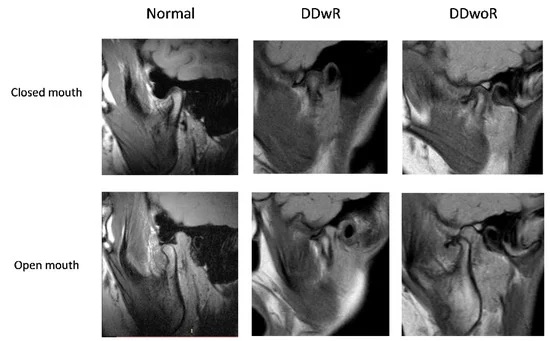
- Normal: The disc sits in its proper position, allowing smooth jaw movement.
- DDwR (Disc Displacement with Reduction): The disc is misaligned but returns to position when opening the mouth, often causing clicking or popping sounds.
- DDwoR (Disc Displacement without Reduction): The disc remains misaligned, leading to restricted jaw movement and pain.
What to Expect During a Cold Laser Therapy Session
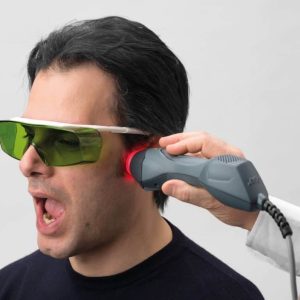
One of the significant advantages of cold laser therapy is its non-invasive nature, meaning it does not involve any surgical procedures, incisions, stitches, or prolonged recovery periods . This is particularly appealing to patients who wish to avoid the risks and downtime associated with more invasive treatments. Furthermore, cold laser therapy is associated with a minimal risk of side effects compared to both medications and surgical interventions . The treatment is generally considered safe and pain-free, with patients often reporting feeling nothing at all or, at most, a mild warming sensation in the treated area. Most patients do not experience any adverse reactions during or after treatment, although some may notice a mild warming sensation that typically subsides quickly.
Cold Laser Therapy Treatment Overview
📅 Session Duration:
- Treatment sessions are often relatively short, generally lasting between 10 and 20 minutes.
- Some protocols may involve even shorter durations, such as 1 to 2 minutes per targeted area.
📈 Number of Sessions:
- The total number of treatment sessions required can range from 3 to 12 or more, depending on the specific protocol and the severity of the patient’s condition.
- Some practitioners recommend a full course of 6 to 12 treatments to achieve the maximum therapeutic benefits.
🔄 Frequency:
- The frequency of these sessions can vary from once to three times per week, or sometimes every 4 to 5 days.
⚠️ Personalized Approach:
This variability in treatment parameters underscores the current lack of a fully standardized protocol for Cold Laser Therapy in the management of jaw pain. A customized plan ensures the best therapeutic outcomes.
Cold laser therapy, at its core, is a treatment that utilizes low levels of light to stimulate healing in various conditions, including arthritis, joint pain, and muscle strains . Unlike traditional high-intensity lasers used in surgical procedures that generate heat, cold lasers emit light at low levels that do not produce a thermal effect . This fundamental characteristic is why it is termed “cold” laser therapy, emphasizing its non-heating nature, which is a key distinguishing factor and a potential advantage in terms of safety and patient comfort . A primary target for this light absorption is the mitochondria, often referred to as the powerhouse of the cells, which are responsible for energy production. Furthermore, cold laser therapy has demonstrated anti-inflammatory effects by reducing the levels of pro-inflammatory cytokines and increasing the production of anti-inflammatory compounds . Some data also suggest that this treatment can stimulate chemical changes within cells, including the release of various hormones such as endorphins, which are known to reduce pain. It is important to note that light will only stimulate cell proliferation if the cells are growing poorly at the time of irradiation, suggesting a targeted effect on compromised tissues . This intricate mechanism, involving multiple cellular pathways, indicates that cold laser therapy can exert broad biological effects beyond just alleviating pain.
The Food and Drug Administration (FDA) classifies cold lasers as non-heating instruments (NHN), further emphasizing their safety and comfort for patients . This distinction is vital for reassuring patients about the safety of the procedure and clarifying that cold laser therapy is a non-destructive treatment aimed at stimulating the body’s natural healing processes.
The effectiveness of cold laser therapy for jaw pain, specifically related to TMD, has been the subject of numerous clinical studies and randomized controlled trials (RCTs). Several systematic reviews and meta-analyses have been conducted to synthesize the findings of these studies . Some of these reviews have indicated that LLLT can lead to a significant reduction in pain associated with TMD when compared to a placebo treatment Specific studies have also reported the effectiveness of low-intensity laser application in reducing TMD symptoms and even influencing masticatory efficiency. Furthermore, some research suggests that LLLT can be as effective as occlusal splints, a common treatment for TMD, in providing pain relief and improving mandibular movement .
Beyond pain reduction, several studies have examined the impact of cold laser therapy on improving jaw function. Research has shown improvement in the range of mandibular lateral movements and a significant decrease in pain symptoms following LLLT . Some patients undergoing LLLT have also reported a reduction in clicking frequency and a softer mandibular movement . A study by Marini et al. demonstrated the effectiveness of LLLT in treating pain associated with temporomandibular joint disc displacement without reduction and osteoarthritis, as evidenced by a significant improvement in clinical signs and symptoms . Moreover, a meta-analysis conducted by Chen et al. indicated that LLLT might substantially enhance functional outcomes, such as mouth opening, although the pain amelioration might be limited in some TMD patients . Similarly, the use of LLLT has been reported to result in improvements in maximal mouth-opening, along with reductions in pain and chewing difficulty.
Cold Laser Therapy vs. Other TMJ Treatments
💊 Pharmacotherapy (NSAIDs):
When comparing cold laser therapy to other common treatments for TMD, several distinctions and potential advantages emerge. In comparison to pharmacotherapy, particularly with non-steroidal anti-inflammatory drugs (NSAIDs), one study found that LLLT led to a significant reduction in pain intensity and an increase in mouth opening in patients with myofascial pain disorder syndrome (MPDS), whereas similar improvements were not observed in the group treated with naproxen, an NSAID.
- Notably, pain relief was reported earlier in the LLLT group in this study.
- Furthermore, LLLT offers several advantages over medications, including being generally well-tolerated at any age, painless, aseptic, cost-effective, and associated with minimal side effects, in contrast to the potential adverse effects of medications.
- The potential for cold laser therapy to be more effective than NSAIDs in certain aspects of TMD treatment suggests that it could be a valuable alternative for patients who cannot or prefer not to take medication.
🦷 Physical Therapy:
Physical therapy is a cornerstone of conservative TMD treatment, often involving exercises and manual techniques. A study that compared LLLT to therabite exercises following TMJ arthrocentesis concluded that both interventions were beneficial in reducing TMJ pain and improving the range of motion. However, the study found that LLLT was more effective in achieving these outcomes.
26 Wellington St E, Unit 110, Toronto, ON M5E 1S2, Canada
Hours
Monday: 9:00 am – 6:00 pm
Tuesday: 8:00 am – 1:00 pm
Wednesday: 2:00 pm – 7:00 pm
Thursday: 2:00 pm – 7:00 pm
Friday: 9:00 am – 6:00 pm
Saturday: 10:00 am – 4:00 pm
Sunday: Closed
Direct Billing Available in Toronto.
Belleville
Belleville Quinte Chiropractic & Sports Injury Clinic
65 Dundas St E. Belleville ON K8N 1B9
Hours
Mondays: 8:00 pm – 6:00 pm
Tuesday: 8:00 am – 6:00 pm
Wednesday: 8:00 – 6:00 pm
Thursday: 9:00 am – 6:00 pm
Friday: 8:00 am – 2:00 pm
Saturday & Sunday: Closed
Direct Billing Available in Bellevile
Working Hours
- Monday: 8:00 am - 6:00 pm (Toronto & Belleville
-
Tuesday: 8:00 am – 6:00 pm (Belleville) |
8:00 am – 1:00 pm (Toronto) - Wednesday: 8:00 am – 6:00 pm (Belleville) | 2:00 pm – 7:00 pm (Toronto)
- Thursday: 9:00 am – 6:00 pm (Belleville) | 1:00 pm - 7:00 pm (Toronto)
- Friday: 8:00 am – 2:00 pm (Belleville) | 9:00 am - 6:00 pm (Toronto)
- Saturday: 10 am – 4 pm (Toronto)
Our Popular Services
The JawSpine Centre, in partnership with Y&F Dental, is Toronto’s first all-in-one jaw centre combining dental care and chiropractic treatment for TMJ disorders, jaw pain, headaches, and related neck and spine conditions.

- Copyright 2025 The Jaw & Spine Doctor