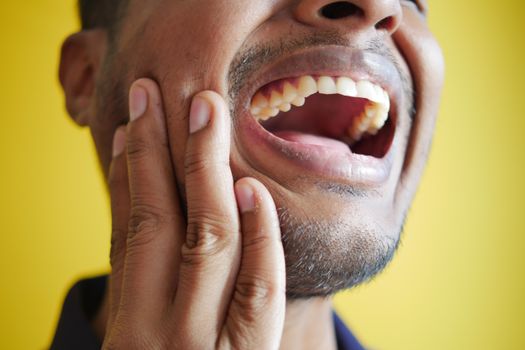
Jaw pain has a way of following you through an entire day. It shows up when you bite into an apple, when you yawn, when you sit through a long meeting with your teeth quietly clenched. For many adults across Ontario, that ache traces back to the temporomandibular joints, the two hinge joints that connect your jaw to your skull. When those joints and the muscles surrounding them stop working smoothly, the result is a TMJ disorder, and the symptoms rarely stay contained to one small area of your face.
Cold laser therapy is one of the non-surgical options we use at The Jaw and Spine Doctor to calm that pain down. Theralase laser technology is a drug-free approach to pain management that works on inflammation and tissue healing rather than masking symptoms. This article explains what the treatment does, how a visit typically runs, and what realistic results look like heading into 2026.
Why TMJ Pain Rarely Stays in the Jaw
A TMJ disorder is a broad diagnosis, not a single condition. The research describes it as covering roughly 30 different symptoms, which helps explain why two people with the same diagnosis can describe completely different experiences. One patient notices jaw stiffness and a clicking sound. Another reports migraines that arrive every few days. Others deal with earaches, neck pain, shoulder tension, or upper back discomfort that never seems connected to the jaw at all.
That spread happens because the jaw does not operate in isolation. The muscles that move your jaw connect to the same structures that stabilize your neck and head. When one area is tense, guarded, or inflamed, neighbouring areas compensate. Over time, that compensation pattern becomes the new normal, and the original trigger, whether it is clenching, grinding, poor posture, or a joint that is not tracking correctly, keeps feeding the problem. Treating only the spot that hurts tends to produce short-lived relief.
What Theralase Cold Laser Therapy Actually Does
Cold laser therapy, also called low-level laser therapy, uses specific wavelengths of light energy that penetrate into tissue and stimulate healing at a cellular level. Unlike a surgical laser, which cuts and removes tissue, a cold laser delivers gentle light energy that the cells respond to without generating heat or damage. It is a non-invasive procedure, meaning no needles, no incisions, and no recovery period afterward.
Theralase laser technology is positioned as natural, drug-free pain management. Its documented aims are to reduce inflammation, improve the normal responses to healing, and support the body as it repairs itself. Put simply, the laser does not override your biology. It nudges it, giving irritated tissue a better environment in which to settle down and recover.
Anti-inflammatory effects
Inflammation is one of the main drivers of TMJ discomfort. Swelling around the joint and the surrounding muscles creates pressure, stiffness, and pain that can radiate into the ear, temple, and neck. Laser therapy has anti-inflammatory properties that help reduce these symptoms, which is why it is often chosen as a first step before more aggressive interventions are considered. Non-invasive laser therapy reduces inflammation and alleviates pain without intrusive measures, which matters for a joint that is used every time you speak, swallow, or chew.
Muscle relaxation around the jaw
Muscle tension is the other half of the equation. Many people with TMJ pain carry chronic tightness in the masseter, temporalis, and neck muscles, often without realizing how much they are clenching during the day and while asleep. Laser therapy relaxes the muscles around the jaw, relieving tension that keeps the joint compressed and irritated. When those muscles let go, the joint has room to move through a more normal range, and patients frequently describe the change as a sense of the jaw finally releasing.
Enhanced tissue healing
Laser treatment enhances tissue healing, which is the piece that makes it useful beyond temporary relief. Light energy delivered to the treatment area supports circulation and cellular repair, so the tissues that have been strained or inflamed have a better chance to recover. Healing is cumulative rather than instant, which is why laser care is usually delivered as a series rather than a single appointment.
What a Treatment Visit Looks Like
Understanding the flow of an appointment removes a lot of the uncertainty that comes with trying something new. At our clinics, laser therapy is part of a broader assessment, not a standalone service handed out without context.
- Assessment first. Your clinician reviews your history, including when the pain started, what makes it worse, whether you grind or clench, and how your neck and posture are contributing.
- Jaw and muscle examination. The joint is checked for range of motion, clicking, tenderness, and muscle guarding, along with the neck and shoulders that support it.
- Laser application. The device is positioned over the treatment area and light energy is delivered to the target tissue. The procedure is non-invasive and painless, and most patients feel little more than mild warmth or nothing at all.
- Combined care where appropriate. Depending on your presentation, laser therapy may be paired with chiropractic adjustment, acupuncture, or soft tissue work in the same visit.
- Reassessment over time. Progress is measured by how your symptoms change with daily activities like chewing, yawning, and sleeping.
How Laser Therapy Fits Into a Whole-Body Plan
Our practice is a multi-disciplinary chiropractic clinic, and we treat TMJ disorders as a whole-body issue rather than a jaw-only issue. That means laser therapy is rarely the only thing happening in your treatment plan. It is one tool among several, chosen because it addresses inflammation and tissue healing while other approaches address structure, alignment, and muscle behaviour.
Chiropractic adjustments target the neck and upper spine, which share nerve pathways and muscular connections with the jaw. Acupuncture offers another route to pain relief and muscle relaxation for patients who respond well to it. Custom orthotics address posture and jaw misalignment by changing how you stand, walk, and carry your head, which in turn changes the load placed on the jaw. Patient education rounds things out, because understanding the anatomy of your jaw, the role of bruxism, and the habits that flare your symptoms is what keeps results from sliding backward.
This layered approach matters for a condition with as many as 30 possible symptoms. A plan built only around pain relief tends to need constant topping up. A plan built around root causes tends to hold.

What Results Realistically Look Like
Laser therapy for TMJ and TMD has been studied in clinical settings. A study published in 2018 examined the effectiveness of MLS laser therapy, a related laser approach that projects two wavelengths through a robotic device, with one wavelength aimed at reducing swelling, in decreasing craniofacial pain. The notable finding was that pain dropped immediately after treatment, which is consistent with what patients often report in the chair.
Reporting on laser therapy for TMJ and TMD pain has also highlighted benefits that include rapid pain relief and improvements for people dealing with related sleep disturbances. That combination is worth paying attention to, because disrupted sleep and jaw pain tend to reinforce each other. Pain interrupts sleep, poor sleep increases clenching and tension, and the cycle restarts the next morning.
What laser therapy is not is a one-visit fix. Healing is a process, and the amount of change you notice depends on how long the problem has been present, how much muscle guarding is involved, and whether the underlying drivers are being addressed at the same time. A realistic expectation is a gradual reduction in pain intensity and frequency, improved jaw movement, and less day-to-day tension, with the pace varying from person to person.
Managing Expectations and Costs
Two practical questions come up in almost every consultation: how much will this cost, and how many sessions will I need. Neither has a universal answer. Fees depend on the treatment plan your clinician recommends, how laser therapy is combined with other services, and the length of each appointment. Session counts vary based on your assessment findings and how your body responds in the first few visits.
Rather than guessing, ask directly during your consultation. Request a written outline that shows the recommended number of visits and the cost of each, and ask how progress will be measured so you know what a good response looks like. If you have extended health coverage, confirm with your insurer whether laser therapy is included and what documentation they require. Verifying those details in advance keeps the focus where it belongs, which is on getting your jaw to settle down.

Booking Care in Toronto or Belleville
If jaw pain, headaches, earaches, or facial tension have become part of your normal week, an assessment is the logical next step. Our team provides non-surgical treatment for TMJ disorders and orofacial pain at our Ontario locations, and we regularly work with patients referred by dentists and other healthcare providers who are looking for a conservative option before more invasive routes.
You can reach out through our website at thejawspinedoctor.com to arrange an appointment in Toronto or Belleville. Come with your questions, your symptom history, and any relevant information from your dentist or physician. A clear picture of what is driving your jaw pain is the foundation for a plan that actually resolves it.
Frequently Asked Questions
Is Theralase cold laser therapy painful?
No. Cold laser therapy is a non-invasive procedure, which means there are no needles, incisions, or injections involved. Most patients feel very little during treatment, sometimes just mild warmth over the area being treated. There is no downtime afterward, so you can return to your normal day, including work and driving, immediately following your appointment.
How many laser sessions will I need for TMJ pain?
The number varies from person to person and depends on your assessment findings, how long you have had symptoms, and how much muscle tension is involved. There is no single standard protocol that fits everyone. Your clinician will outline a recommended plan after examining your jaw, neck, and posture, and will adjust it based on how you respond.
Can laser therapy cure my TMJ disorder on its own?
Laser therapy is best understood as one part of a broader plan. It reduces inflammation, relaxes tight muscles, and supports tissue healing, but structural and postural factors also drive TMJ symptoms. That is why we often combine it with chiropractic care, acupuncture, and orthotics. Addressing the root causes is what produces lasting change rather than temporary relief.
Will laser therapy help with jaw clicking and popping?
Jaw sounds are one of many symptoms associated with TMJ disorders, and responses vary. Laser therapy focuses on inflammation, muscle tension, and tissue healing rather than on the mechanics of the joint itself. During your assessment, your clinician will explain what is likely causing the sound in your case and whether laser care is a suitable part of your treatment.
Does insurance cover cold laser therapy for TMJ?
Coverage depends on your individual extended health plan, so the most reliable step is to contact your insurer directly and ask whether laser therapy is included and what documentation they need. Our team can provide details about the services recommended in your plan so you can confirm coverage before treatment begins.
